





Kíla founding member Rossa Ó Snodaigh has described the band's approach to Irish music as “Schrödinger’s trad music” as the band continues to tour across Britain and Ireland.
Formed at school in Dublin in 1987, Kíla built its own original sound, blending Irish trad music with influences from around the world.
The five friends attended an all-Irish-speaking school in Dublin, and a year later, Ó Snodaigh's older brother Colm joined the band.
They soon began to play in other countries like Germany and France.
“We were still at school, and we went over with nowhere to stay until the next weekend, and we were just busking over there.”
Even the band's name was chosen at the last minute.
The group had been approached by someone who said he could secure them gigs in Brittany.
After recording them, he asked what they were called.
“We were in the pub at the time, and Ronan looked back at the bar, and he just said, 'Kila'. "I presume he just saw a tequila bottle and went with it.”
They have since found out just how many different languages include the word.
“In Swahili it means everything, in Japanese it means 'twinkle', in Swedish it means 'wedge', and the funniest might be Polish; in that language it means syphilis.”
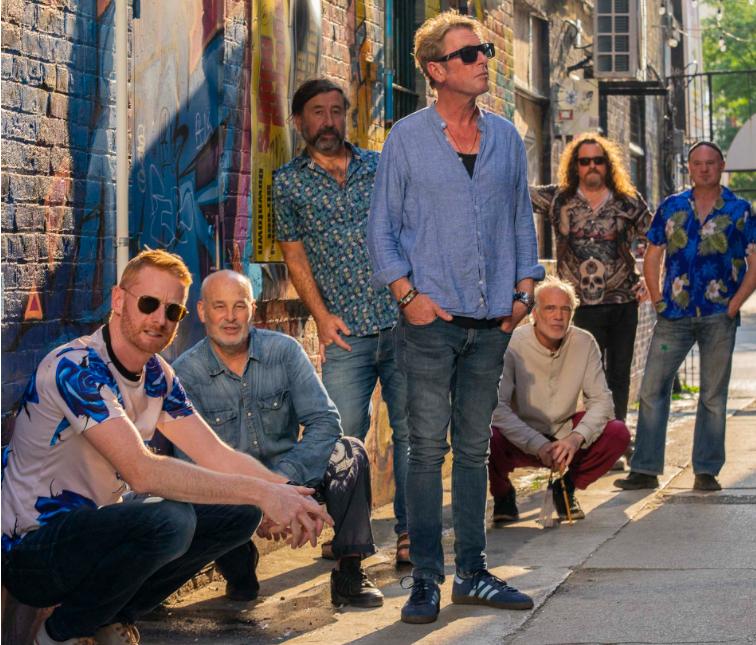 The band is currently touring Britain and then Ireland (Photo by Kíla)
The band combines Irish-language lyrics and traditional Irish instruments with percussion, guitars, brass and influences from international music.
“It’s Irish world music, and it isn't; it’s Schrödinger’s trad music,” Ó Snodaigh said.
They stopped playing traditional tunes in their setup around 1994, while their 1995 album Mind the Gap consisted entirely of original songs.
“If a tradition is only using the things that went before, it’s not alive,” he said. “The players of the tradition might add to the tradition to expand it.”
A major breakthrough came in 1997 with Tóg É Go Bog É, which brought the band to the attention of international music industry figures.
Their first manager helped secure them a place at WOMEX, where festival bookers from around the world were in the crowd.
“That just opened the door for us, and we were invited all over the world, which was kind of amazing.”
Kíla have since performed across five continents and in 35 countries, including at the Montreux Jazz Festival and in Japan.
One of the band's biggest moments came at the Adelaide Festival in Australia, where they performed to 14,000 people.
“We had never played to more than 300 before that.”
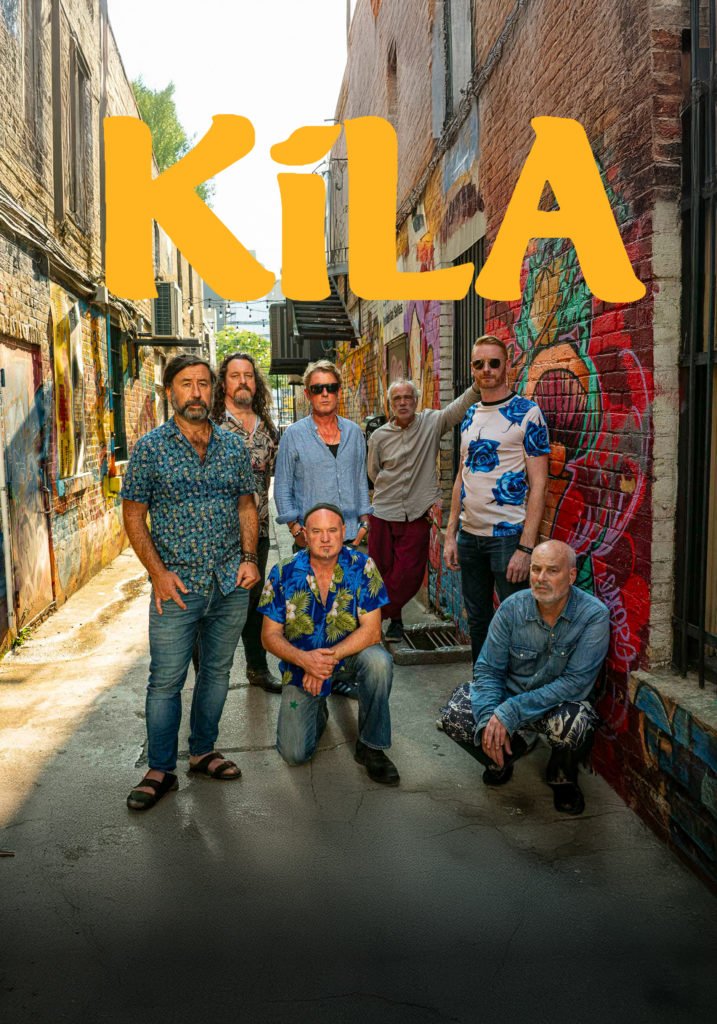 The band in Spain (Photo by Kíla )
Spain became an especially important destination for Kíla.
“Outside of Ireland, the Spanish people were maybe the ones who got our music the most,” Ó Snodaigh said.
“They’d come to the gigs, and they would already be dancing, and they just love it.”
After Spanish radio presenter Little Papa dedicated an hour of his programme to Kíla's Luna Park album, the band began performing regularly in Spain.
“After that we were playing at least every month in Spain, sometimes three or four gigs.”
Ó Snodaigh also sees similarities between Irish music and traditions in northern Spain.
“When we think of Spain, we usually think of flamenco, but in the north of Spain they have their own type of music which is very similar, especially in Galicia.”
Kíla's work has also extended into film, including working with French composer Bruno Coulais on Cartoon Saloon's The Secret of Kells, Song of the Sea and Wolfwalkers.
Ó Snodaigh says composing for film requires a completely different approach.
"Oh, you’re not performing; you’re accompanying emotion.”
“You’re creating a couch for something to sit in.”
The band's film work earned them an Irish Film and Television Award for their score for Arracht, which was also Ireland's Oscar submission.
Now, almost 40 years after Kíla first formed, the band remains on the road, touring across Britain and Ireland.
If you want to find out more you can see them: here
Everything from irishpost.com and the print edition is available on the Irish Post App — plus more! Download it for Android or Apple IOS devices today
See More: Irish Music, Kíla, Rossa Ó Snodaigh
