





“PEOPLE have always tried to assume who we are, both musically and personally,” says Orláith Forsythe, one of two members of Belfast’s Dea Matrona (the other is Mollie McGinn).
“Our second album is a response to that.”
That second album is Hate That I Care (Dea Matrona/AWAL), which bursts with so much confidence you can almost feel the force.
Cleverly placing surging rock songs alongside slower-paced tracks, the album boasts an abundance of melody-fuelled music underpinned by decidedly feminist viewpoints.
Almost ten years after they first formed, busking on the streets of Belfast and working as a covers band in various pubs, Dea Matrona (the name has its origins in Celtic mythology, translating as Divine Mother Goddess) are very much on track to enjoy the mainstream success they fully deserve.

AN IRISH singer/songwriter who is well used to mainstream success, former One Direction member Niall Horan may not have the all-screaming/all-dancing fanbase that his former bandmate Harry Styles has, but the Mullingar man is no slacker when it comes to releasing albums (four in less than ten years).
Unfortunately, Dinner Party (Capitol Records) is more of the same middle-of-the-road, mediocre pop that he has been delivering since his 2017 debut, Flicker.
It isn’t that there’s anything inherently wrong with the songs (they are tuneful, they have choruses, they tell stories, Horan’s vocals are eminently decent), but throughout there isn’t a solitary shred of originality.
It’s, like, the songs are grand, they’re fine, but do any sparks fly? Not one.
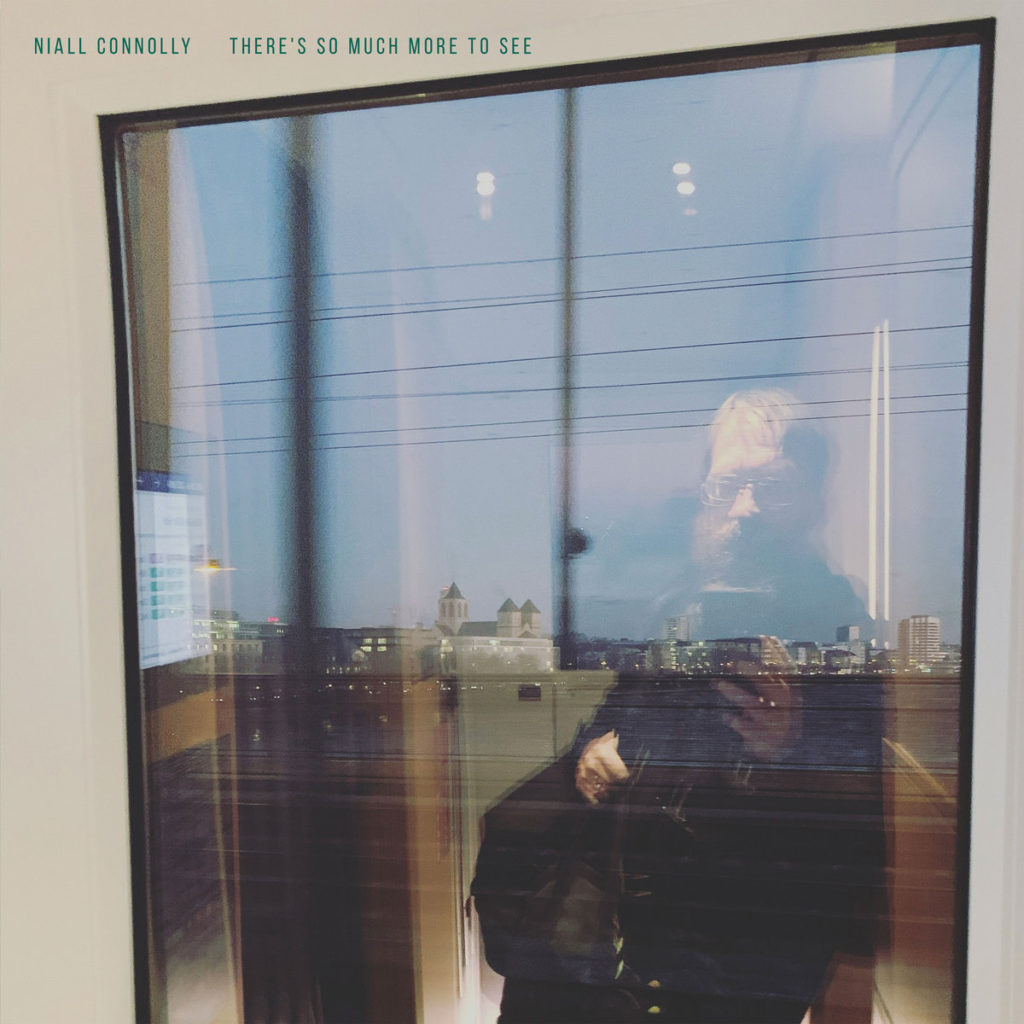
THERE IS far more experience and thought in the songs of Niall Connolly, a Cork singer-songwriter who has been based in New York for almost 20 years.
His tenth album, There’s So Much More to See (Self-Released/CU Records), benefits from his years labouring away in the Big Apple’s indie folk scene.
The songs here are encased in highly melodic but robust folk, while the lyrics touch on topics such as displacement, emotional attachment and its accompanying fracture, loss, and (generally) life’s mystifying contradictions.
Inevitably, due to Connolly’s prolific nature, there is an ease to his songwriting that could, in less talented or proficient hands, come across as routine. Not a bit of it: songs such as I Wish There Was a Way, No One Left to Blame (featuring heart-warming co-vocals from NYC’s Moushumi Chitre), Crooked Time, It’s Your Birthday Tomorrow, and All We’ve Got Is Time crackle with real life, real emotion, real people.
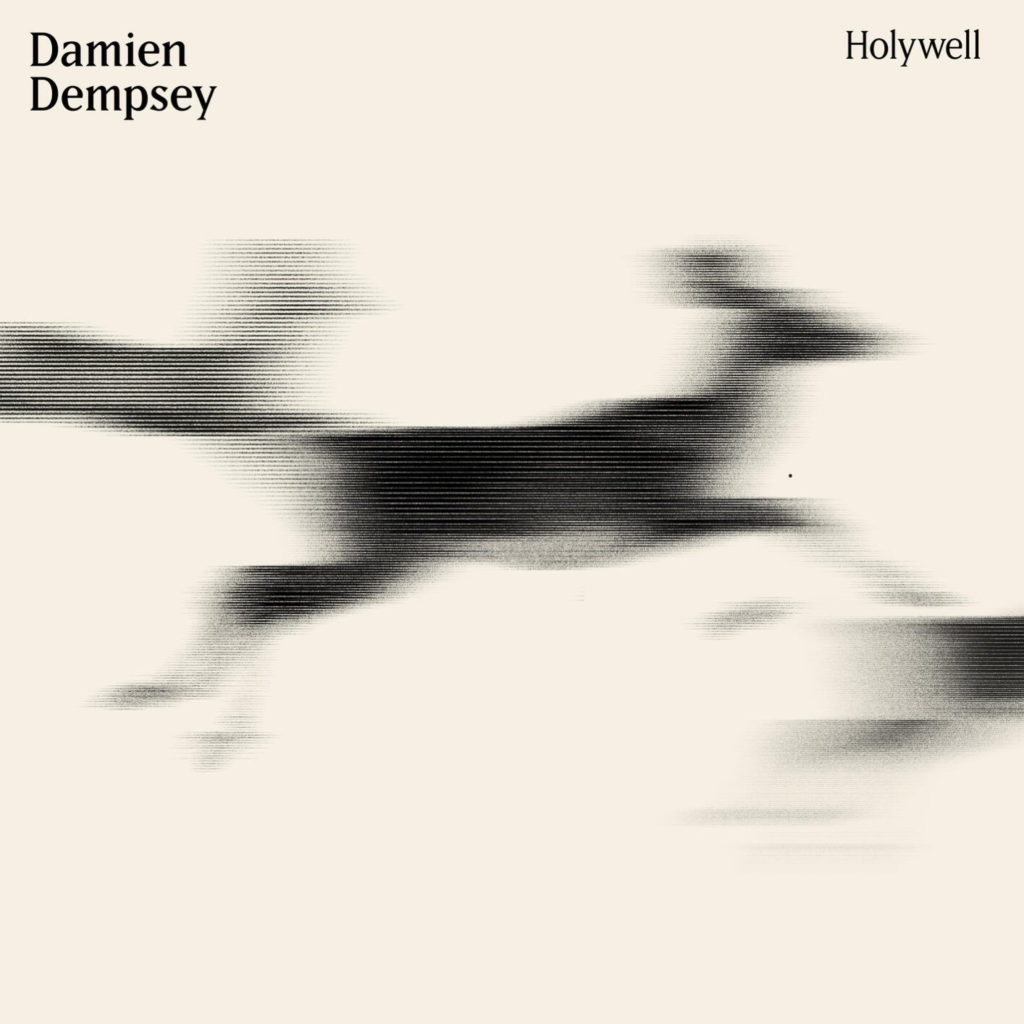
THE SAME can be said for anything written and released by Damian Dempsey.
Now in his early 50s, the Donaghmede singer and songwriter has been in the public eye for almost 30 years (his first commercial single, Dublin Town, was released in 1997) and is noted for his rugged takes on Irish life.
Holywell (Sony Music) arrives less than two years after his double album, Hold Your Joy, and couldn’t be more different. Connected to his 2023 autobiographical Abbey Theatre stage show, Tales from the Holywell, his new album is embedded in Irish traditional music to the point where you are left wondering if Dempsey was perhaps born in the wrong era.
There are more than several contemporary cover versions, including Ewan McColl’s Go, Move, Shift, Shane MacGowan’s A Pair of Brown Eyes, and Black 47’s James Connolly; also, there are traditional songs/tunes/lullabies such as The Coolin, Seoithín Seothó, The Mickey Dam, Rising of the Moon, Michael Dwyer, and Smile in Your Sleep. The outcome is equal parts reflective, righteous and riotous, with Dempsey in fine fettle and even better voice.
Everything from irishpost.com and the print edition is available on the Irish Post App — plus more! Download it for Android or Apple IOS devices today.
See More: Albums, Irish Music, Releases
