





A NEW research project will launch next month to discover the cause of the contamination of Lough Neagh.
The lake is the largest in Ireland and the UK, but it is heavily polluted and concerns for its future have been raised since the appearance of toxic blue-green algae in the water.
The blooms, which pose a risk to humans and animals, have appeared in the lake since 2023, and are at times so large that they can be seen from space.
Located in the centre of Northern Ireland, the lake supplies drinking water to hundreds of thousands of people, supports agriculture and fisheries and provided habitat for diverse wildlife.
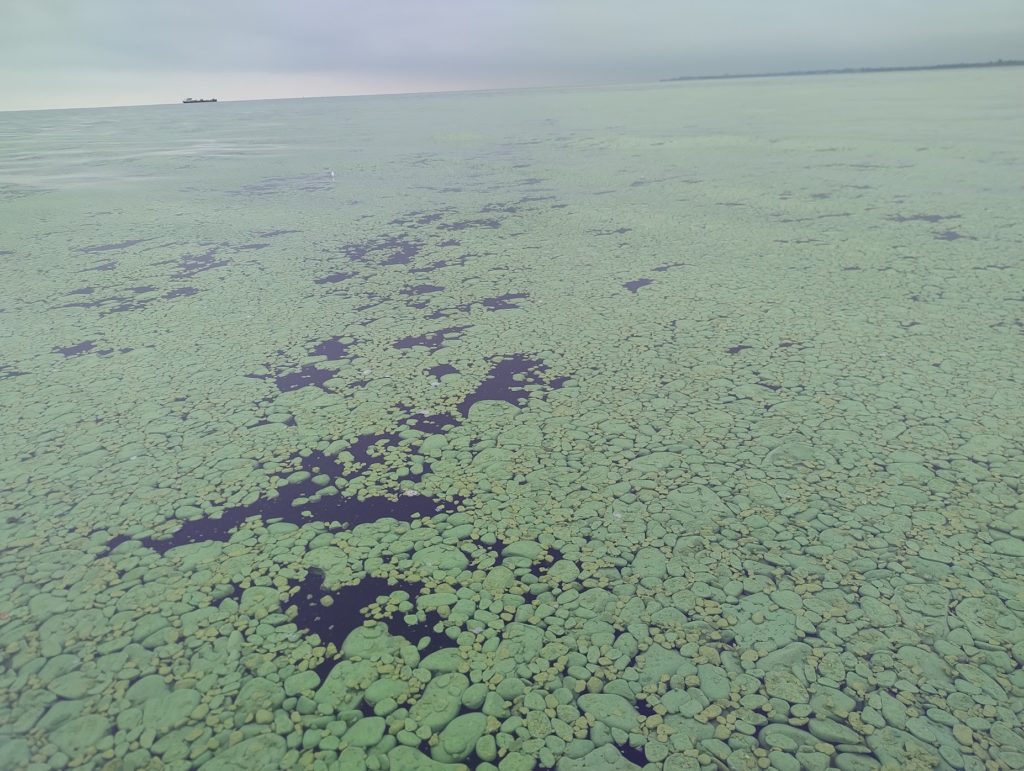 Pollution in Lough Neagh
This week a £920k project was announced to generate “clear scientific evidence” to help improve the state of the lake.
The UK Centre for Ecology & Hydrology (UKCEH), working with Biota Trace and the Lough Neagh Partnership, has secured funding from the Natural Environment Research Council (NERC) and the Department of Agriculture, Environment and Rural Affairs (DAERA) in Northern Ireland for the 18-month project which is set to begin in March.
“Findings will be used to create a long-term plan to improve the environmental status of the badly degraded lake,” a spokesperson for the Lough Neagh Partnership explained.
“By analysing DNA from water collected across the lake, its tributaries and outflows, the team will be able to discover whether the source of the contamination is human, agricultural or wildlife,” they added.
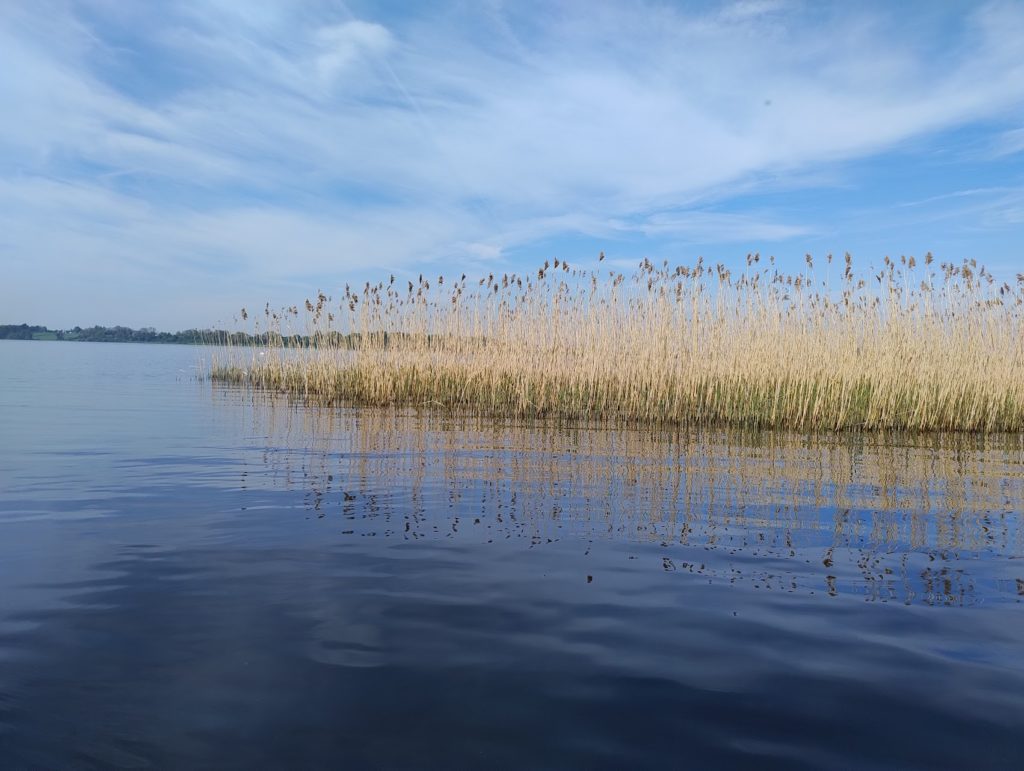 Lough Neagh is the largest lake in Ireland and the UK
Dr Susheel Banu Busi, who is Project Lead and Head of Molecular Ecology at UKCEH, explained how their research will work.
“To address the significant challenges of water pollution at Lough Neagh, we need evidence-based science that is capable of disentangling the complex mix of microbes and chemicals that influence water quality across the catchment,” he said.
“Traditional monitoring approaches have been unable to fully resolve how human, agricultural and wildlife sources can cause microbial contamination or capture the dynamics of AMR that can pose risks to ecosystems, livestock and human health,” he added.
“We need to use source-tracking methods including environmental DNA to address these gaps in knowledge so that we can identify, quantify, and trace pollution pathways from the land to lake, and understand their impacts."
Dr Busi explained: “DNA-based methods offer a sensitive way of diagnosing and managing environmental issues at Lough Neagh.
“They will provide us with the robust data that we need to guide restoration, inform the upcoming Science Platform, and support evidence-based management of the lake's recovery.”
The CLEAR-Neagh project (Catchment-Level Environmental AMR & eDNA Reconnaissance for Lough Neagh) will be part of the UK Freshwater Quality Programme coordinated by water@leeds at the University of Leeds, which aims to understand the drivers of change in UK freshwaters.
Everything from irishpost.com and the print edition is available on the Irish Post App — plus more, download it for Android or Apple IOS devices today
See More: Lough Neagh, Northern Ireland, Pollution, Research
