



THE Isle of Man is reclaiming its language.
Manx Gaelic is the mother tongue of this small yet perfectly formed island, which sits unassumingly in the Irish Sea nearly equidistant between England and Ireland.
It’s an isle that is beloved by its natives as much as those who have emigrated there and the holidaymakers who visit each year too, including my own family.
Its attraction is undeniably its island way of life – you simply can’t beat its beaches, landscapes and its people - but what is also rather enticing is the very distinct culture, heritage and traditions that make up its identity, which are not too dissimilar to those we know and love of Ireland.
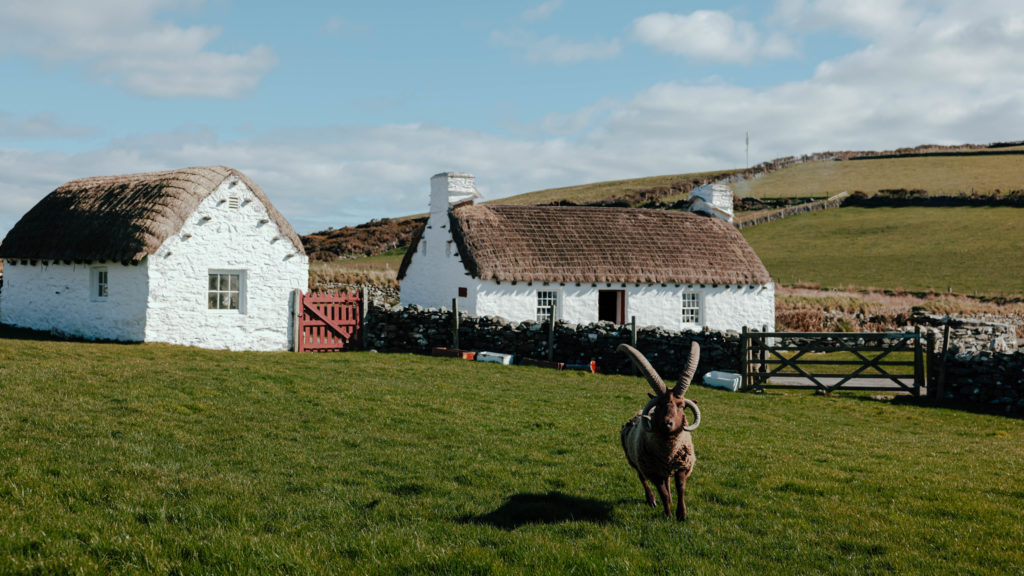 Life on the Isle of Man is not too dissimilar to that which we know and love of Ireland, evident here in the picturesque village of Cregneash
The Manx culture is influenced by both its Celtic and, to a lesser extent, Nordic origins.
It boasts captivating folk music, an ancient parliamentary system – the High Court of Tynwald, founded in the 10th century, is the oldest continuous parliament in the world, and a rich tradition of customs and folklore which includes stories of fairies, sea gods and the observance of ancient seasonal festivals.
Manx icons and symbols, such as the curious three-legged sign of their national flag – which represents the three kings who held power there in the thirteenth century, also appear frequently throughout this island.
But one of the central features of the Manx tradition is its language – and this finds its origins in Irish.
History tells us that the Irish language arrived on the island in the fifth century.
It came over with the migrants and early Christian missionaries who travelled from Ireland bringing the language with them, just as they did in Scotland at around the same time.
And so Scottish Gaelic and Manx Gaelic both find their roots in Irish and the three languages retain many similarities today.
They fall within the six-strong family of Celtic languages that also include Welsh, Breton and Cornish.
If you go back 1500 years, when the Manx language was formed and began to take hold, it was the dominant language on the Isle of Man. That remained the case for many years.
English was only introduced to the island in the 15th century, but societal changes and external geopolitical factors soon saw this become the preferred tongue.
Somewhere along the way, the Manx language was lost.
According to census records, in the 1960s only 150 people on the island, which then had an estimated population of about 48,000, spoke it.
This statistic spurred action. Worried locals were determined to save their mother tongue from extinction and a raft of cultural incentives, including school teaching programmes and language revival strategies, were put into place.
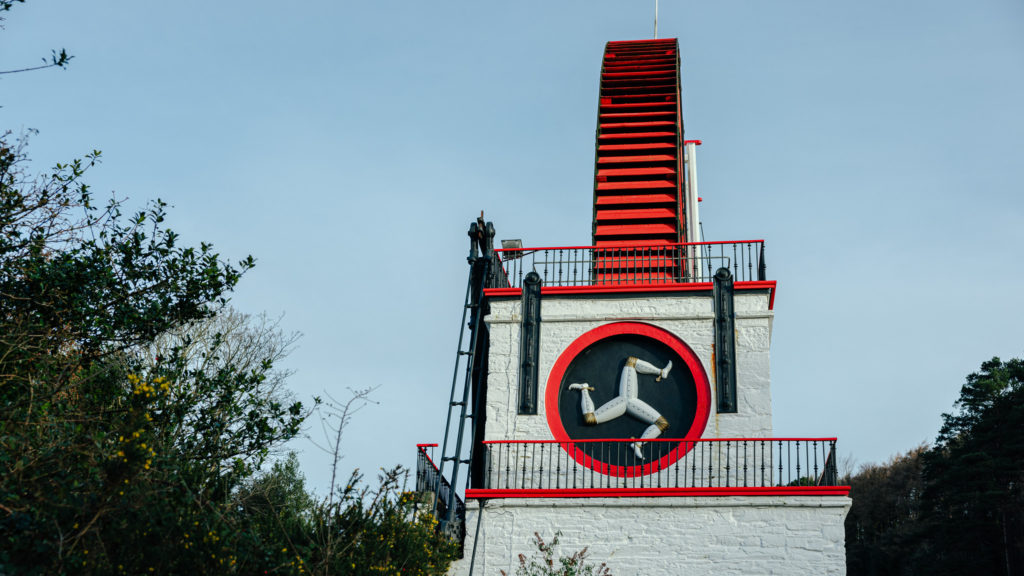 Manx culture and symbols, including its curious three-legged flag, are found throughout the island
In 2021, the most recent census, the figures proved much healthier, with 2,223 people recorded as Manx speakers.
And that number is only expected to grow as the island continues to champion, cherish and celebrate its language.
Ruth Keggin Gell is the Manx Language Development Officer for Culture Vannin, a charity, formerly known as the Manx Heritage Foundation, established by the Isle of Man Government to promote the island’s culture, heritage and language.
Her job title in Manx is Yn Greinneyder, which literally translates to ‘the encourager’.
And that is what she does every day as she advocates for the use of the language across the island.
Among the many facets of her role, Ms Keggin Gell teaches Manx, creates resources and newsletters in Manx, plans festivals, summer schools and manages social media accounts that promote the use of the language both on the island and further afield too among the Manx diaspora worldwide.
Manx is not a compulsory subject taught at schools on the island, so Ms Keggin Gell only began learning the language herself at the age of 23.
Now, more than a decade later, she says she feels calmer speaking in the island’s native tongue than in English, her first language.
And she continues to see a resurgence in desire to learn Manx among the younger generation.
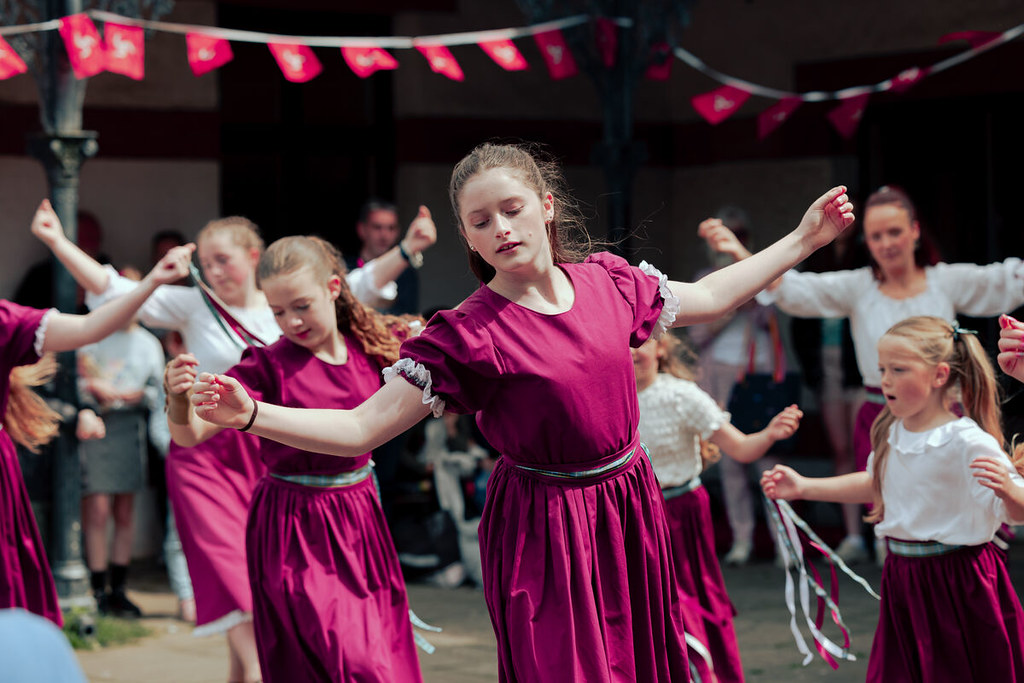 Traditional Manx dancing performed outside the House of Manannan museum
“There are definitely more and more people who are interested in learning Manx and using Manx and I think seeing the value it brings,” she told me over a coffee during my recent trip to the island.
“They don’t necessarily have that shame attached to it.”
She explained: “When I started learning Manx in my 20s, my grandmother was like ‘why are you learning Manx, why don’t you learn something ‘useful’ like Spanish or something like that’.
“She had lived her life here and had grown up with this passed on mantra that Manx was not worth learning.
“She had been taught that English was the language of prosperity.
“There is an old Manx phrase which says something like ‘Manx won’t earn you a penny’ and many from the island’s older generation had been taught that.
“But even in my lifetime I have seen a huge change in these feelings, and in the take up of the language,” she adds.
“I am 37 now and when I was at school it was not cool to engage with the Manx language.
“But now I see lots of people in their early 20s quite interested and they really want to delve into the language.
“Getting involved with any of these cultural activities, whether it is the Manx language or traditional Manx dancing, any of these sorts of cultural experiences, is a really positive thing,” Ms Keggin Gell explains.
“I see people getting a deeper level of connection and finding new ways to feel rooted on the island through them.”
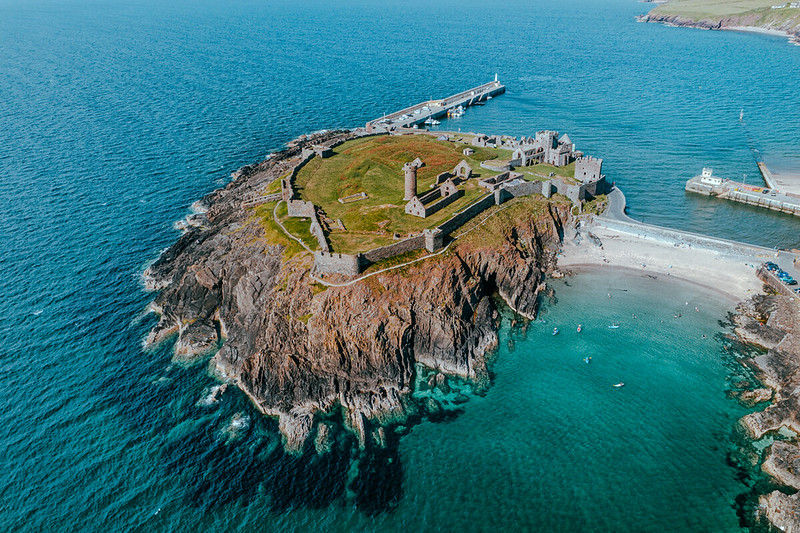 Learn about the history of the island at the mighty Peel Castle
So, what does she hope for the future of the language?
“For me I really want to see the language bloom, but I don’t just want it to be a statistic on the census," Ms Keggin Gell admits.
“I want it to be reflected in the community; I want to see and hear it more.
“And I think the numbers will grow, but for me it is about intentional use of Manx, it being treated in the same way as English is, and not othered.
“I would like it to appear in the same size on road signs, not smaller, not in italics and I don’t want it to be always seen in a twee Celtic font.
“It’s a living language, its one I choose to use with my friends, its one I feel calmer in.
“It’s not my first language but when I speak Manx, I feel different in a good way, calmer, more peaceful, I feel like it’s my soul language.”
This year is particularly significant for islanders who are passionate or curious about the language as it has been designated the Year of Manx, or Blein ny Gaelgey.
The island has dedicated the entire year to celebrating what Manx means to its sense of place, both nationally and internationally.
Ms Keggin Gell has been involved in many of the events planned under this mantle and claims the busy schedule of activities will be as fun and interesting for visitors to the island to take part in as they will for locals.
And last month the island’s main ferry service launched new routes connecting Ireland with the Isle of Man - so there is no excuse not to jump abord and get your Isle of Man fix in 2026.
We’ve already visited this year and enjoyed a raft of new experiences that made for the perfect island adventure, steeped in culture, tradition and plenty of fun.
Here are our top five reasons you should visit the Isle of Man this year…
AWESOME ACTIVITIES
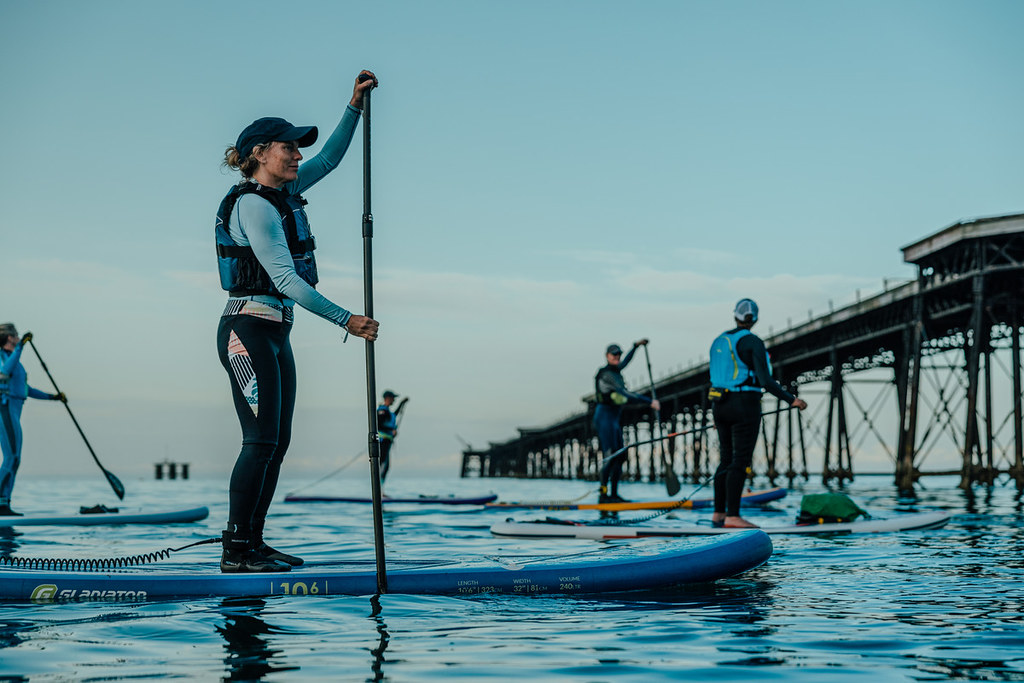 There are all sorts of activities to try out across the island
At only 13 miles wide and 33 miles long, you can drive across the Isle of Man in under an hour.
So, whatever you plan for your trip it will never take you long to get there, meaning you can fit plenty in.
And there are loads of fantastic options when it comes to activities.
With a diverse landscape that boasts fabulous beaches, rugged cliffs and a mountain range nestled in the centre of the island, there really is something for all.
On our most recent trip we aimed high. We signed up as a family to spend a morning at the Ape Mann Adventure Course, and we are so glad that we did.
Set in South Barrule, in one of the island’s largest plantations, this forest-based activity has a low ropes course for the whole family and a high ropes course for those who are more adventurous (read ‘brave’) and of a required height.
There is also a 50ft monkey tree which visitors of all ages and heights are invited to climb and then abseil back down from.
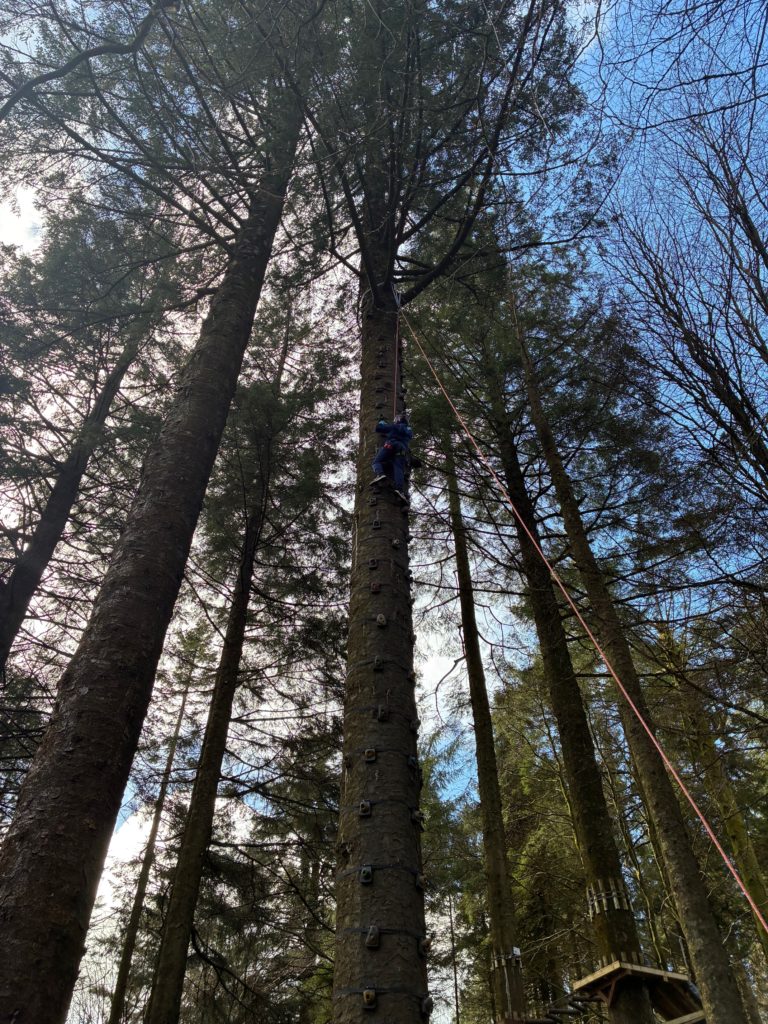 Are you brave enough to tackle Ape Mann's 50ft monkey tree?
To say this experience was a hit with our family would be a complete understatement.
There is something fabulously exhilarating about getting strapped up and attaching yourself to a set of ropes suspended high in the air and simply getting on with it.
It was exciting, nerve-wracking and hugely satisfying. We helped each other, we cheered each other on, and we celebrated everyone pushing through the course to make it to the very welcome hot chocolates, teas and coffees that were waiting for us on the other side.
The staff too were brilliant – putting minds, young and old, at ease from the outset and throughout.
If you’re visiting the island put this one high up on your to do list.
ALL ABOARD
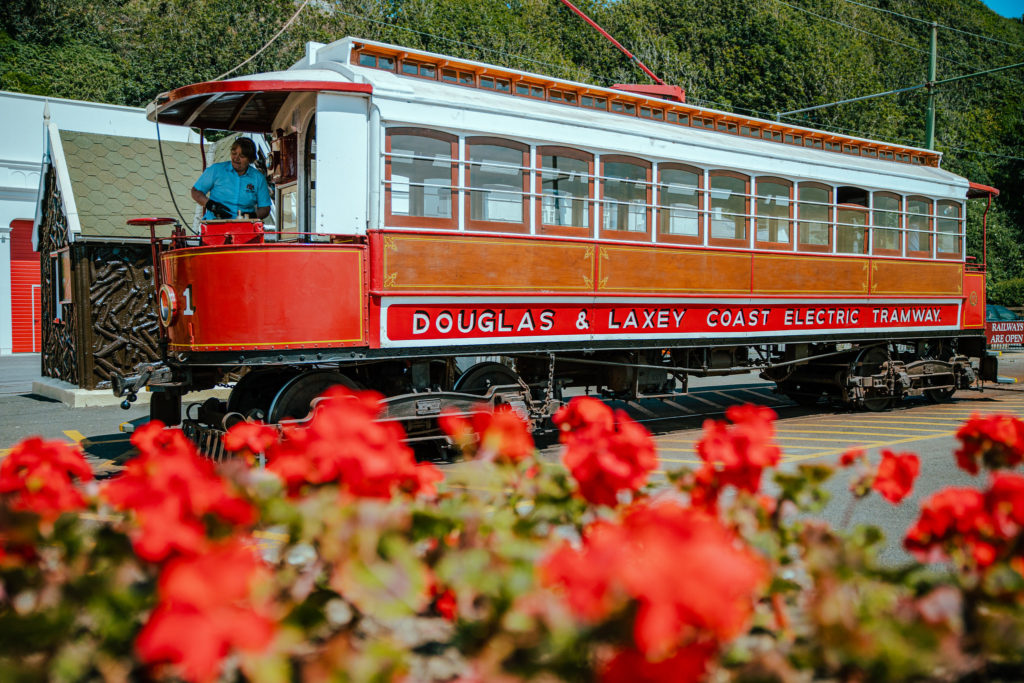 There are railways of all shapes and sizes serving the Isle of Man
There is adventure to be found on the ground too, of course.
The Isle of Man is famed for its heritage railway network, which boasts trains operated by steam, electricity and horsepower and is lots of fun to explore.
Some of the lines have been in operation since the late 1800s and still work – which makes them even more fascinating to ride.
Whether you fancy a trip up a mountain, through a glen or to a mine, there is a railway for you.
You can use some of them functionally, to get yourself around the island without the use of a car, and others more leisurely, to simply climb aboard and enjoy a ride through some of the most stunning island scenery you can imagine.
We took the Groundle Glen Railway and found ourselves enjoying a great train ride which culminated in a breathtaking view.
Located in the Groundle Glen, which is about two and a half miles north of the island’s capital Douglas, this miniature railway is run by local enthusiasts and operates seasonally.
Once you have boarded the steam train it slowly winds its way through the glen until you reach Sea Lion Rocks at the top.
There are views to enjoy throughout the journey but it is the one you are rewarded with at the end of the line which is truly awesome.
Exit the train and make your way to the cliff edge where a panoramic feast for the eyes awaits.
When you can pull yourself away from that dramatic view of the island’s coast, there is a very nice tea toom and visitor centre there too.
So you can take your time and soak it all up with a cuppa before you take the train back down again.
TOP TIP: The most efficient and cost-effective to enjoy all the railways on the island - and many of the cultural and heritage sites too – is to get yourself a Go Explore Heritage card.
BEACH LIFE
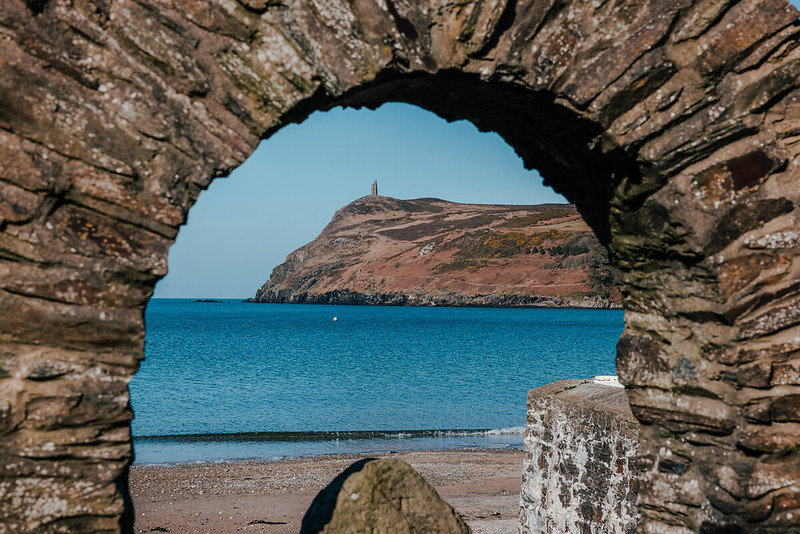 Get yourself to Port Erin for the ultimate beach day
If you fancy a more chilled vibe to your island adventures you must head for one of the Isle of Man’s many beautiful beaches.
Port Erin is a favourite of ours.
Located in the south of the island, it boasts a stunning sandy beach, flanked by dramatic cliffs, and an uber-relaxed atmosphere.
It is great for watersports, beach volleyball or simply people watching.
But there are plenty more to explore too.
In Douglas you’ll find a two-mile stretch of sandy beach to explore which also has a good selection of cafes, pubs and hotels where you can stop to refuel throughout the day.
In Peel there is a beach which is overlooked by the mighty Peel Castle and is close to one of the best ice cream parlours we have come across on the island.
Davison’s is a local institution. This family-run business has been operating in Peel for 30 years and it is simply bursting with customers every time we visit.
From its quaint décor to its award-winning dairy ice cream - made using locally sourced double cream and butter – it’s easy to see why this remains a cherished favourite among locals and visitors alike.
It also does great coffee and handmade chocolates too!
LANGUAGE MATTERS
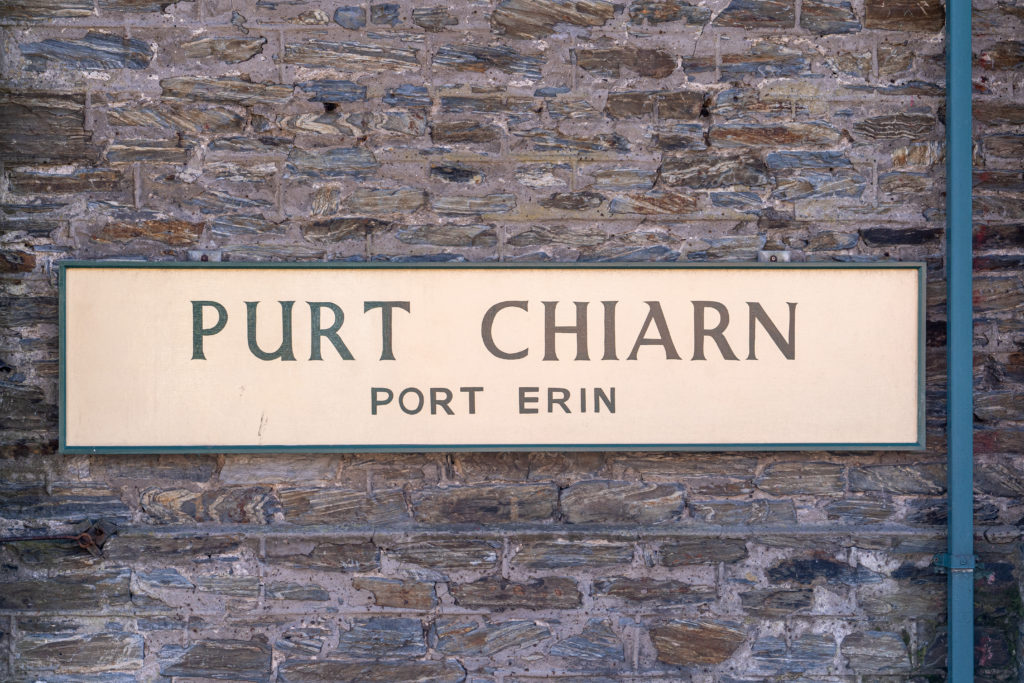 Manx Gaelic is enjoying a revival
There are a host of activities planned to celebrate the Year of Manx in 2026 which would be well worth tying into your visit, if you can.
Developed by Jeebin (the Manx Language Network), and supported by Culture Vannin, the organisers explain that “the Year of Manx is for everyone – Manx speakers, people who don’t know any Manx yet, people who call the Isle of Man home, and visitors to these shores”.
Highlights include the first ever Manx language opera, which will premiere on the island this summer and the bilingual Mind your Language exhibition, which will run from April to September providing an easy and accessible way for people to learn all about Manx Gaelic.
Earlier this year Culture Vannin launched the second book from Jeff Kinney’s best-selling Diary of a Wimpy Kid series to be translated into Manx, which my children (and I) think is particularly cool.
Published as Jeelane Tootagh – Rodrick Aboo, the book is the Manx translation of Diary of a Wimpy Kid: Rodrick Rules.
The Mannin Aboo! Passport scheme is also underway – encouraging everyone to use a simple Manx word or phrase such as ‘Moghrey mie’ (Good morning) or ‘Gura mie ayd’ (Thank you) at participating leisure and retail outlets across the island.
Every time you speak a little Manx you get a stamp and when you complete your passport you will be entered into a prize draw.
EASY ACCESS
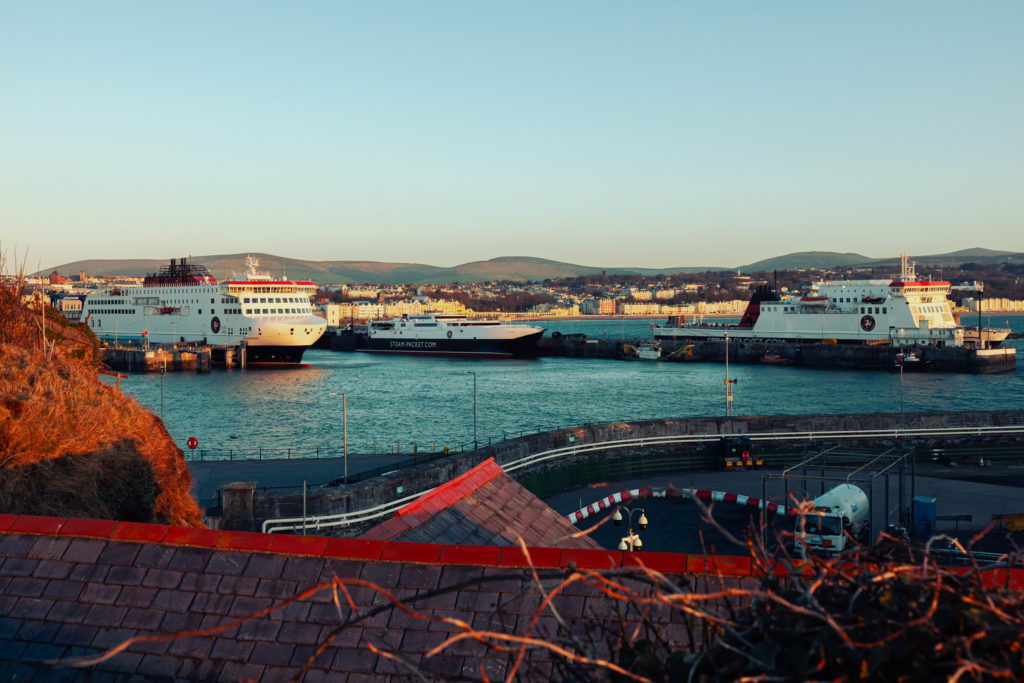 There are now more routes than ever connecting Ireland with the Isle of Man via Douglas Bay
It has never been easier to get to the Isle of Man.
It is so close to both Ireland and England that you can get there in next to no time at all.
You can fly from either side in less than an hour or sail across in less than three.
What’s more, as the state is a British crown dependency, you don’t even need to bring your passport.
You can travel freely to and from the island from both jurisdictions, as you remain within the Common Travel Area (however you will need some form of photo ID for your travel provider, of course).
For this year there are significantly more routes to access the island from Ireland.
In April the Isle of Man Steam Packet Company introduced an enhanced sailing schedule to and from the island of Ireland which marks its biggest investment in Irish connectivity in over 15 years.
Running through to May 2027, the new timetable sees the return of the ferry operator’s flagship Ben-my-Chree vessel - which will pilot the expanded Irish services.
In peak season, from July to September, this will deliver up to five sailings a week between the Isle of Man and Dublin, while in the off-season the vessel will provide a regular three-times-weekly connection to Larne in Northern Ireland.
The new Isle of Man to Larne ferry route came into operation on April 1.
Where to stay:
We stayed at Folly View in Peel which proved an excellent spot, and the perfect base from which to explore the island.
Visit Island Escapes for bookings and other accommodation options on the island.
Getting there:
Steam Packet operates daily sailings from Ireland and England to the Isle of Man. Visit the Steam Packet Company for bookings and information.
Further information:
Click here for further ideas and inspiration for your visit to the Isle of Man
Everything from irishpost.com and the print edition is available on the Irish Post App — plus more! Download it for Android or Apple IOS devices today.
See More: Holidays, Ireland, Isle Of Man, Travel
