





WHEN Mark Dixon was a boy growing up in Tallaght, he had no idea that his grandfather had taken part in one of the most extraordinary episodes in Irish military history.
“I first heard about it in the early 80s,” Mark says. “The Michael Caine movie Zulu came on TV, and that’s when he started talking about it. I initially thought he was making it up. I had never heard anything about it.”
The story his grandfather, Henry “Harry” Dixon, began to tell that evening was the remarkable stand by Irish UN troops at the Siege of Jadotville in 1961.
Harry Dixon was born in Dublin in 1926. According to his grandson, he joined the army at just 16.
In September 1961, Sergeant Dixon deployed with A Company, 35th Battalion of the Irish Army, as part of the United Nations peacekeeping mission in the Congo.
Under the command of Commandant Pat Quinlan, the unit was stationed near the town of Jadotville, in what was then the breakaway state of Katanga.
“That was his first-ever foreign trip, I think, definitely with the army,” Mark says.
The Siege of Jadotville began on September 13, which also happened to be Harry Dixon’s birthday.
For five days, 156 Irish soldiers held off a Katangese force numbering in the thousands.
Cut off and heavily outnumbered, they fought off repeated attacks before eventually surrendering after running dangerously low on supplies.
“It was all hands on deck,” Mark says of what his grandfather told him about those first days.
“He was going back and forth between helping the wounded and then doing the fighting. They were all fighting, even the cooks.”
Harry never spoke in graphic detail about the battle itself. When asked directly if he had killed anyone, his response was telling.
“He just turned around and then turned back and said, ‘Do you want a cup of tea?’”
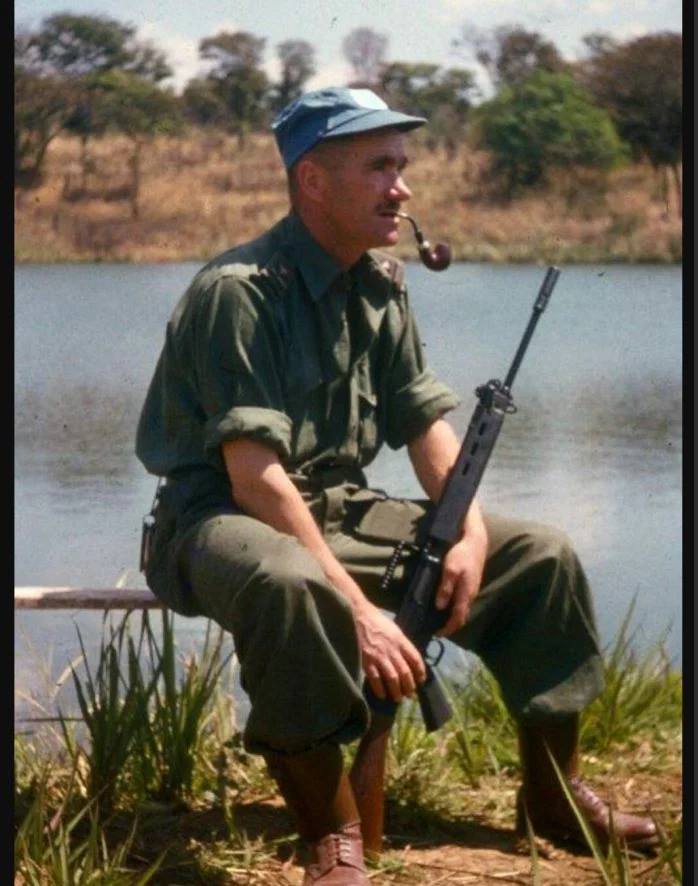 In the Congo (Photo by Dixon family)
Instead, a lot of what he shared with his grandson concerned what happened after the surrender.
For four to five weeks, the Irish troops were held prisoner.
“There were all these kinds of games their captors would play,” Mark says.
“They would take them out, blindfold them, put them up against the wall and then yell ‘ready, aim...’ and then nothing, and they would take them back to their cells.”
Back home in Dublin, there was a lot of confusion and fear.
On the second day of the siege, a newspaper report wrongly stated that all the Irish soldiers had been killed.
“My nanna heard this, and she snapped; she thought he was dead; all the officers had been executed,” Mark says.
“She put the three youngest kids into foster care that Friday. She thought, "He's never coming back.”
The report was untrue, and word later filtered through that the men were alive.
According to Mark, Commandant Quinlan had warned higher command for days before the attack that something was brewing.
“He was relaying messages back to Elizabethville saying there are a lot of units coming in; they’re building up their numbers,” Mark says. “A lot of them thought there was more than incompetence here.”
The men kept radio logs and took photographs of the wounded as proof of what they were facing.
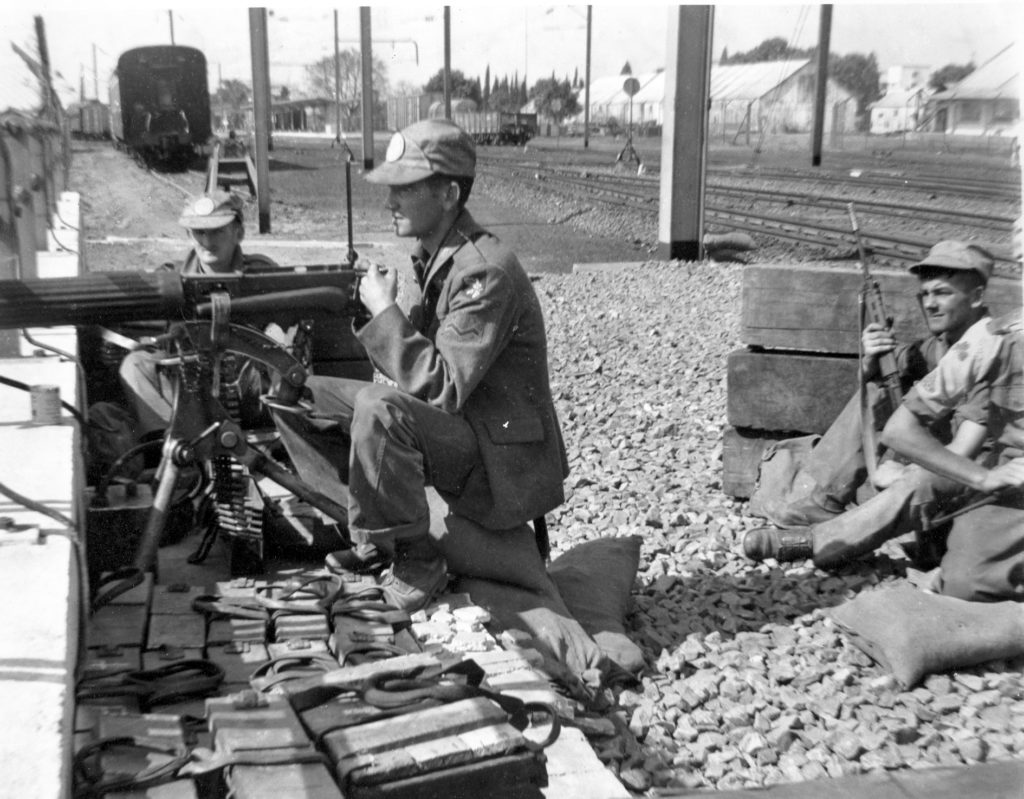 Preparing the guns (Photo by Irish Defence Forces)
When the soldiers eventually returned home after their release in October 1961, they did not receive a heroes’ welcome.
“Quinlan went to the Irish army and said, ‘I want them all to get medals,’” Mark says. “And they were basically told, ‘This never happened. You’re a bunch of cowards and you disgraced us by surrendering.’”
For decades, the events at Jadotville remained contentious within military circles and largely unknown by the public.
Despite the intensity of the battle, no Irish soldiers died at Jadotville.
“These guys are heroes,” Mark says. “When they returned, it was treated as something shameful, but it’s by far the greatest thing the Irish army has ever done.”
The silence began to lift in 2005 with the publication of Declan Power’s book Siege at Jadotville, which drew heavily on the soldiers’ own records and testimony.
“He thought the book was very accurate,” Mark says.
In 2011, the documentary Congo: An Irish Affair featured interviews with surviving members of A Company, including Harry.
He also saw renewed public interest because of the 2016 film The Siege of Jadotville, starring Jamie Dornan.
“Jamie Dornan actually came up to my grandad after one of the screenings at the Savoy,” Mark says. “He said, ‘I recognise you from the documentary, and that documentary sparked my interest in this.’”
Mark believes the actor took a pay cut because he felt the story was so important.
“An awful lot of Irish people saw that film,” Mark says. “Their reaction was, ‘How did we not know about this?’”
In the years following the book and film, the Irish government formally acknowledged the injustice done to the men of Jadotville.
A written apology was issued.
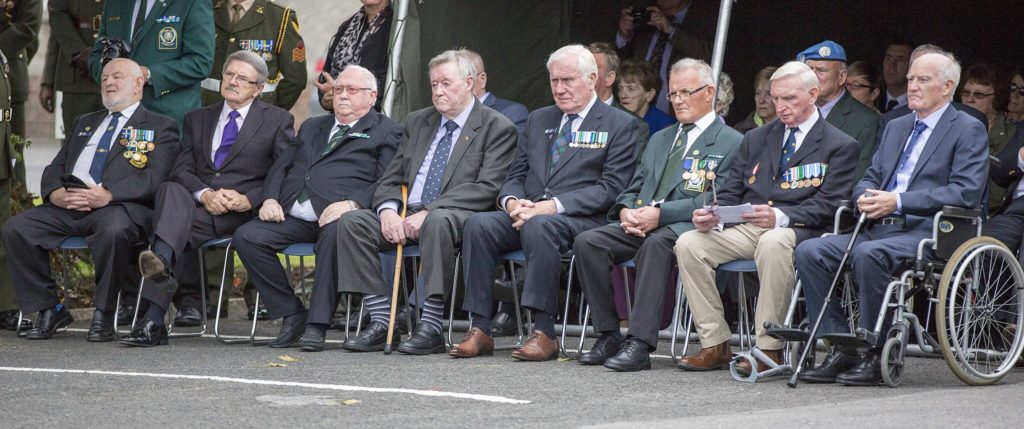 Jadotville Ceremony Custume Barracks (Photo by Irish Defence Forces)
“They weren’t just happy with that,” he says. “Quinlan had insisted they get medals when they came back, so they thought they should get medals.”
Eventually, they did.
After decades of campaigning, the men of A Company were awarded medals in recognition of their actions. For Harry Dixon, the honour came late in life.
“He seemed like he was hanging on for that,” Mark says. “Because he died shortly after. But he was happy to get the recognition finally.”
Harry Dixon died in 2018, having served in the army until 1979. For his grandson, the story that once seemed unbelievable has become a source of deep pride.
“They weren’t cowards. They were heroes.”
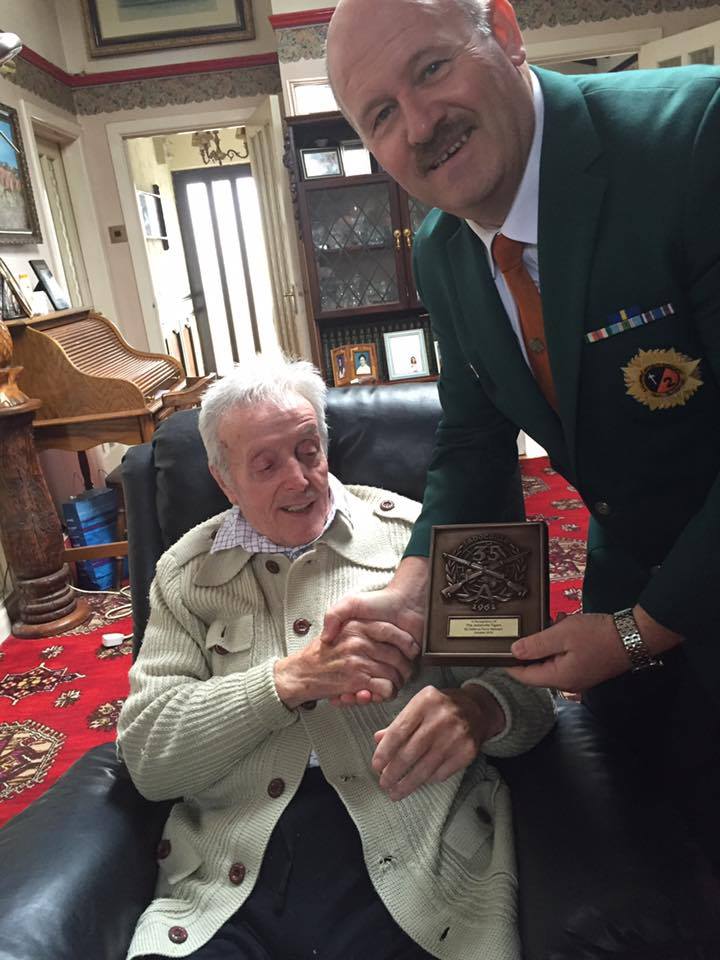 Henry 'Harry' Dixon finally got his recognition (Photo by the Dixon family)
Everything from irishpost.com and the print edition is available on the Irish Post App — plus more! Download it for Android or Apple IOS devices today
