





THE International Pan Celtic Festival returns to Carlow town from April 7–11The five-day celebration brings together performers and visitors from across the Celtic world to share music, language and cultural traditions.
First established in 1971, the Pan Celtic Festival was created to promote the modern cultures and languages of the Celtic nations. Each year it draws participants from Ireland, Scotland, Wales, Brittany, Cornwall and the Isle of Man, highlighting the deep cultural links that bind these regions together.
Carlow has become one of the festival’s regular homes in recent years and will host the event again this year and 2027, welcoming musicians, singers, dancers and storytellers from across the Celtic world.
The festival programme includes a mix of concerts, competitions and cultural events taking place across venues in Carlow town. This year’s This year’s programme features a strong line-up of performers alongside the festival’s well-known competitions and concerts. Among those appearing during the week will be Eurovision winner Charlie McGettigan, Galway traditional singers Caoimhe and Séamus Ó Flatharta, and Welsh harpist Eleri Darkins.
Also taking part are the enCÓRe female singers, Indeceltic, Cór na nÓg, and the Timahoe Male Choir, as well as ensembles such as Roots in Tune, the Carlow Community Choir, and young performers from Music Generation Carlow and the Carlow College of Music.
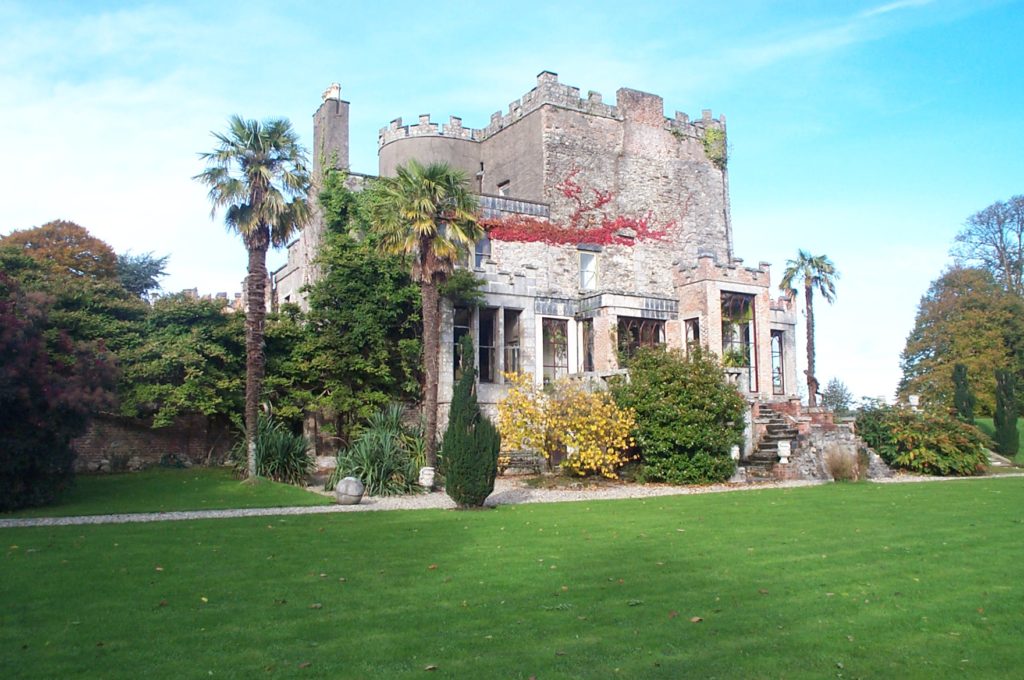 Huntington Castle, Clonegal, Co. Carlow
Music will fill venues across the town throughout the week, with performances from groups including The Army Band of the Defence Forces, along with concerts, céilís and informal sessions.
A central feature of the festival is the Pan Celtic International Song Contest, which showcases newly composed songs in the Celtic languages. Each participating nation selects its own entry in advance, and the winning composers and performers gather in Carlow to compete for the international title.
Alongside the headline events, there will also be a wide range of traditional competitions during the week, including performances on instruments such as fiddle and harp, choral and duet singing, and dance contests. Many leading traditional artists represent their nations, while younger performers often use the festival as a stepping-stone in their musical careers.
Beyond the competitions, the festival has a strong social atmosphere. Street performances, late-night sessions and informal concerts provide opportunities for artists and audiences to mingle and share music long after the official events have finished.
For Carlow, the festival has become an important cultural highlight and a boost to tourism each Easter. For visitors, it offers something equally valuable — a rare chance to experience the shared heritage of the Celtic nations in one place, celebrating the languages, songs and traditions that continue to link them across the seas.
Carlow’s other attractions
CARLOW is part of Ireland’s Ancient East, and even if you don’t make it to the Pan Celtic Festival, it’s still a top destination. Often overlooked by its superstar neighbours, Kilkenny and Wexford, Carlow seems a gentle, rural sort of place where old Ireland slumbers on.
And that’s true; but it also has some very rich claims to fame, and some truly idiosyncratic places to visit — not to mention pubs, restaurants, gardens, and one of Europe’s finest salmon rivers, the Slaney.
An interest in castles will serve you well in Carlow: Huntington Castle (which had a starring role in the film Barry Lyndon), Ballyloughan Castle, Black Castle, Carlow Castle, Duckett’s Grove Castle — you’re probably beginning to get the picture.
But what draws people to the county from all parts of the globe are some of the most exquisite gardens you’ll find anywhere.
Spring sees the start of showtime. Altamont Gardens often described as one of Ireland’s finest romantic gardens. Set along the banks of the River Slaney, Altamont combines formal terraces with sweeping parkland, ancient oaks and a celebrated arboretum. In spring the grounds are carpeted with snowdrops, daffodils and bluebells, making it a favourite destination for walkers and gardeners alike.
Closer to Carlow town, you might want to explore the award-winning Delta Sensory Gardens, a unique garden space designed to stimulate all the senses. Spread across several acres, it features themed areas including water gardens, sculpture walks, labyrinth paths and colourful planting designed for touch, scent and sound.
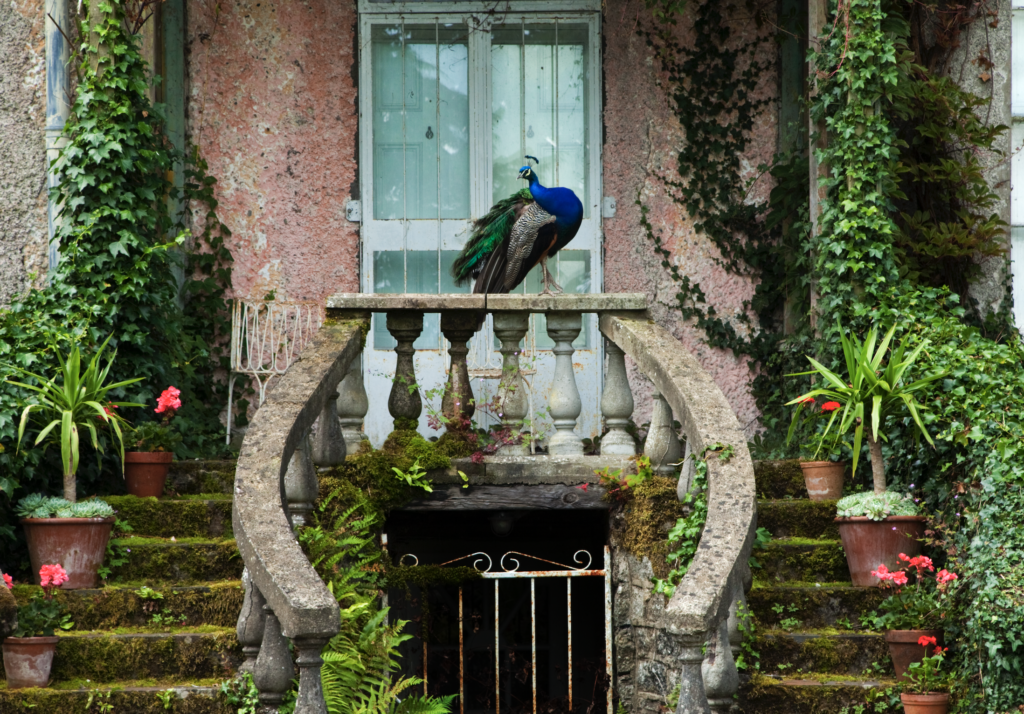 Altamont Gardens; Co Carlow; Ireland
Carlow is home to three of Ireland’s key national walking routes – the South Leinster, the Barrow and the Wicklow Ways – the county is blessed with hundreds of miles of excellent and varied walking: you can walk along riverbanks, hike through the Blackstairs, or ramble through lovely little villages such as St. Mullins, where St. Moling’s abbey was founded.
There are still some remains of the monastery to be seen nestling beautifully in countryside which hasn’t changed much in 1500 years.
Leighlinbridge is a village of narrow winding streets and ancient buildings huddled round the Black Castle. A very impressive bridge spanning the Barrow, built in 1320 (and the oldest still in use in Ireland), leads to the villagee. This is just about the oldest main bridge still in use in Ireland.
Leighlinbridge was the birthplace and home of a man whose blue-sky thinking helped shape the modern world.
Carlow is an often overlooked county — you may even be unsure where it actually is and whether you might need injections before you go there. But of course the county’s relative isolation is part of its attraction. Because here, deep in rural Ireland, you’ll find a very soothing tranquillity, and maybe parts of old Ireland that have been lost elsewhere. Asking for directions here can still turn into something of a social occasion.
There is a range of activities as well, from angling to cruising, rambling to hill-walking, and all set against a historical background that stretches back to Neolithic times. Oh, and there are pubs that look as if they’re straight out of an advertising campaign for stout, or for encouraging people to take holidays in Ireland. You can merely sit back, raise a drink to your lips, and be very pleased that you’re already there.
John Tyndall
SCIENTIST John Tyndall, born in Carlow in 1820, was the first man to explain why the sky is blue — it’s all to do with scattering of the molecules, apparently.
Seems to be the same reason we have blue lights on emergency vehicles, because blue light can be seen further away than any other light.
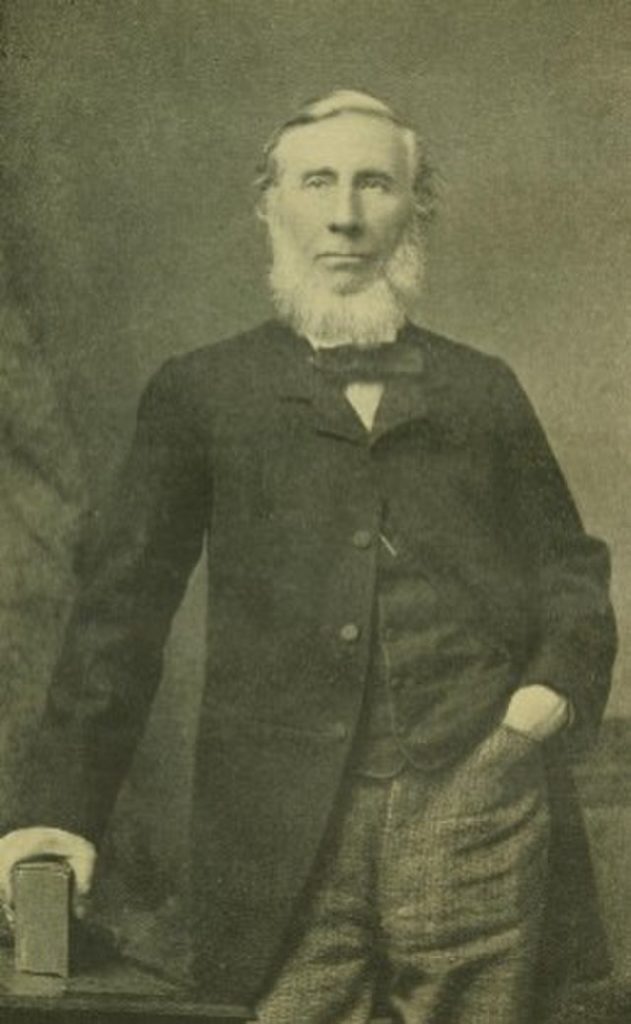 John Tyndall
But Tyndall didn’t just see the light – he was the first person who managed to measure the pollution in London’s atmosphere (there was none in Leighlinbridge for him to measure), and from this he became the first man to deduce that there is a Greenhouse Effect, what today we call global warming or climate change.
The Carlow man became one of the great scientists of the 19th century, numbering amongst his friends Louis Pasteur, Michael Faraday, Charles Lister, Thomas Huxley, Leslie, Thomas Carlyle and Lord Tennyson - some of whom he persuaded to visit Co. Carlow.
You can see exhibits pertaining to Tyndall in both the Carlow County Museum (www.carlowcountymuseum.com) and the Royal Institution’s Michael Faraday in London.
For further information visit ireland.com
