



A RISE in loneliness led a storyteller to bring people together to share personal memories in some of Ireland’s most historic homes.
Jane Gormley, founder of Craicly Stories, says the idea took shape in 2022 after she read a newspaper article that stopped her in her tracks.
“One day I opened a newspaper, and there was a result of a survey that showed that Ireland was now officially the loneliest country in Europe,” she said.
“That was a real flashpoint moment for me. The article made clear that nobody seemed to be doing anything about it yet.”
Living on a farm in Kildare and working remotely after Covid, Gormley said the isolation many people felt was becoming increasingly visible.
“Nothing was going to happen unless the community started doing small things locally,” she said. “Stories are the only ammunition I’ve ever been able to use to help through life.”
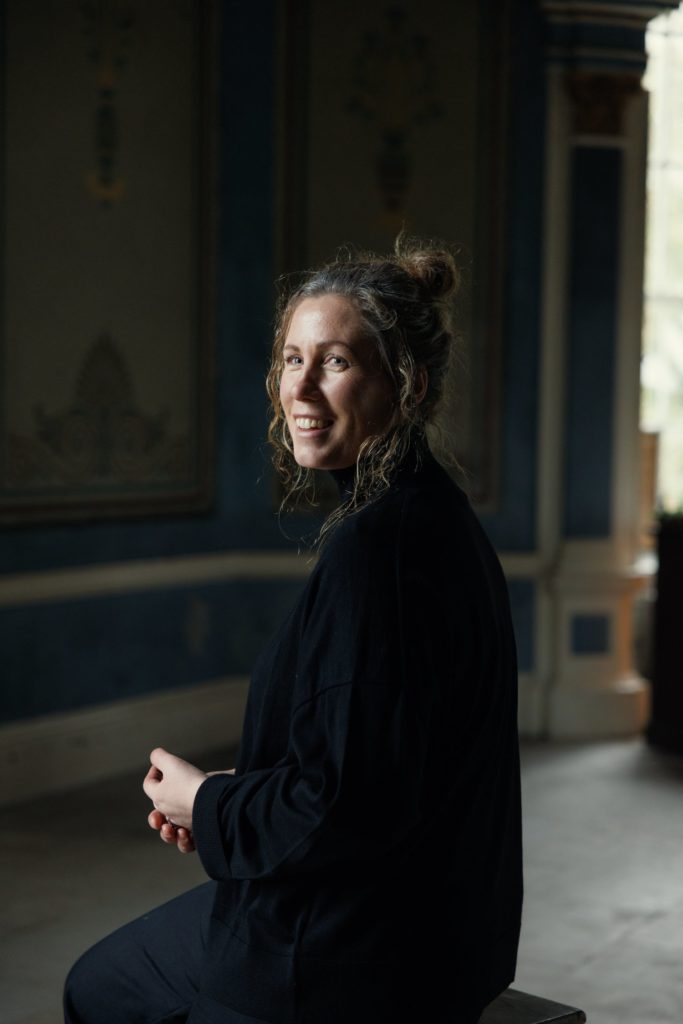 Jane Gormley (Photo by Craicly Stories)
While the creative side of Craicly had always been part of her life, it had mostly been “in a really personal way”.
However, her professional background in recruitment helped bridge the gap when the idea became reality.
Her first event was deliberately simple. “I said, look, let’s throw a really sociable story party,” she said.
“Three weeks later, we made a pot of stew and invited 15 people over.”
The format worked immediately. A small group shared ten-minute personal stories, including memories and funny observations, over food, conversation and a relaxed atmosphere.
“Everyone had such a great time; almost immediately one event led to another,” she said.
The idea tapped into something deeply rooted in Irish culture.
“In Ireland we have tight community circles,” Gormley said. “There is a deep-rooted oral storytelling tradition going back hundreds and hundreds of years, passing things on person to person. It’s a beautiful craft.”
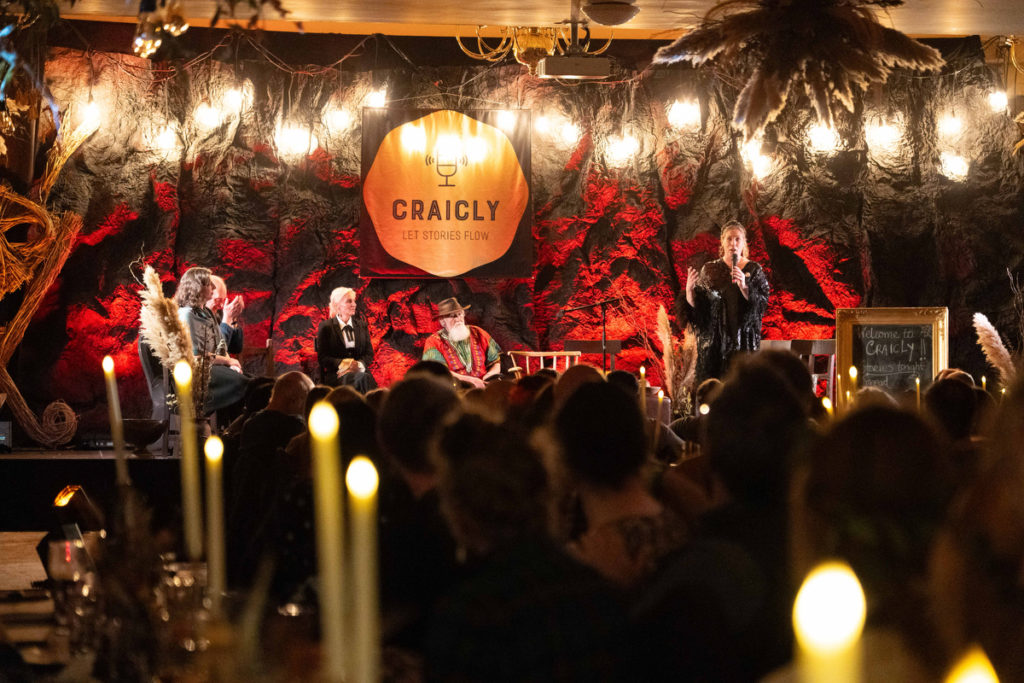 Everyone has a story to tell (Photo by Craicly Stories)
The project is now coming to Britain for the very first time, with a London event in collaboration with Insurgent Press, on Saturday, March 21.
With just 25 tickets available, Gormley says the intimacy remains key.
Craicly Stories events have expanded in recent years through their partnership with Historic Houses of Ireland.
The collaboration has allowed storytelling nights to take place in venues ranging from small cottages to castles.
“Each place has a story to tell,” Gormley said. “Going to a new place is a real icebreaker in terms of conversation.”
Events typically begin with a shared meal, followed by five or six preselected storytellers taking their turn.
“It feels more like a story party than people attending a talk,” she said.
One key rule is that stories are not recorded. “You’re not allowed to record people on your phone; this is meant to feel like a conversation,” she said.
The stories can range widely in tone. “Sometimes it’s absolutely hilarious, and other times it can be quite moving,” she said.
“Many people think they’re not storytellers, but once people loosen up, it’s incredible what they remember and what comes out.”
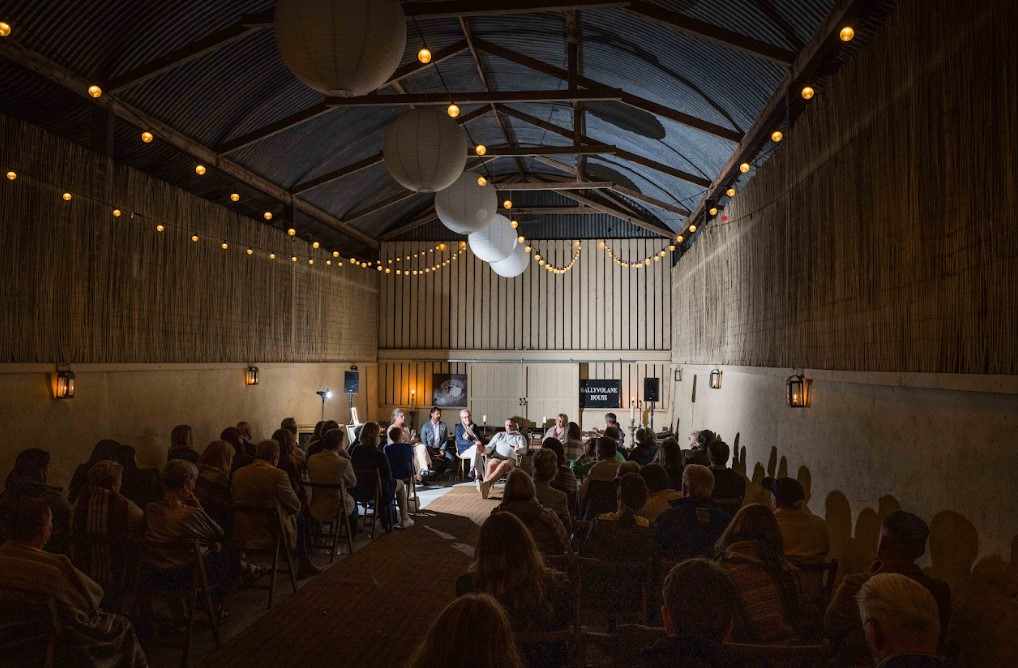 Each event has a different theme, but always a bit of craic (Photo by Craicly Stories)
Among the most memorable events was one held at Stradbally Hall, a country house in Laois owned by the same family for hundreds of years.
“The house isn’t open for tours, so it was so generous of them to open it for us,” Gormley said.
“All the fires were lit; you really got a sense of what these houses would have felt like when they were full back in the day.”
At that event, a man in his 80s shared the story of tracking down one of Ireland’s earliest aircraft and bringing it home after decades in an American hangar.
“No one in the room had any idea about this,” she said.
Attendance typically sits around 50 people, though festivals such as Púca have drawn hundreds.
Looking ahead, Craicly Stories has a forthcoming book of memoir-style stories by multiple people, including Jane herself.
“We think we’re just going to call the book Craicly,” Gormley said.
For her, the purpose of Craicly Stories has stayed the same since that first night around a pot of stew.
“What we’re trying to encourage is a really sociable side of people coming together,” she said.
“When people feel relaxed and connected, something really special happens.”
For more information you can find them: here
