



MULTIPLE St Patrick’s parades take place across Britain every year.
From Luton to Leeds, Huddersfield and Glasgow - and everywhere in between – there are scores of events held on or around March 17, to mark Ireland’s national day and thousands of people who come out to enjoy them.
But who are the people behind the parades?
Those who organise, support or partake in these flagship events for the Irish community in this country are a huge part of the reason why they are still going strong today.
This year, as we share in the annual celebrations honouring Ireland’s patron saint, we asked them to tell us what drives them to continue to support what is now a long-held tradition marking one of the most important dates on the Irish community’s calendar…
LUTON
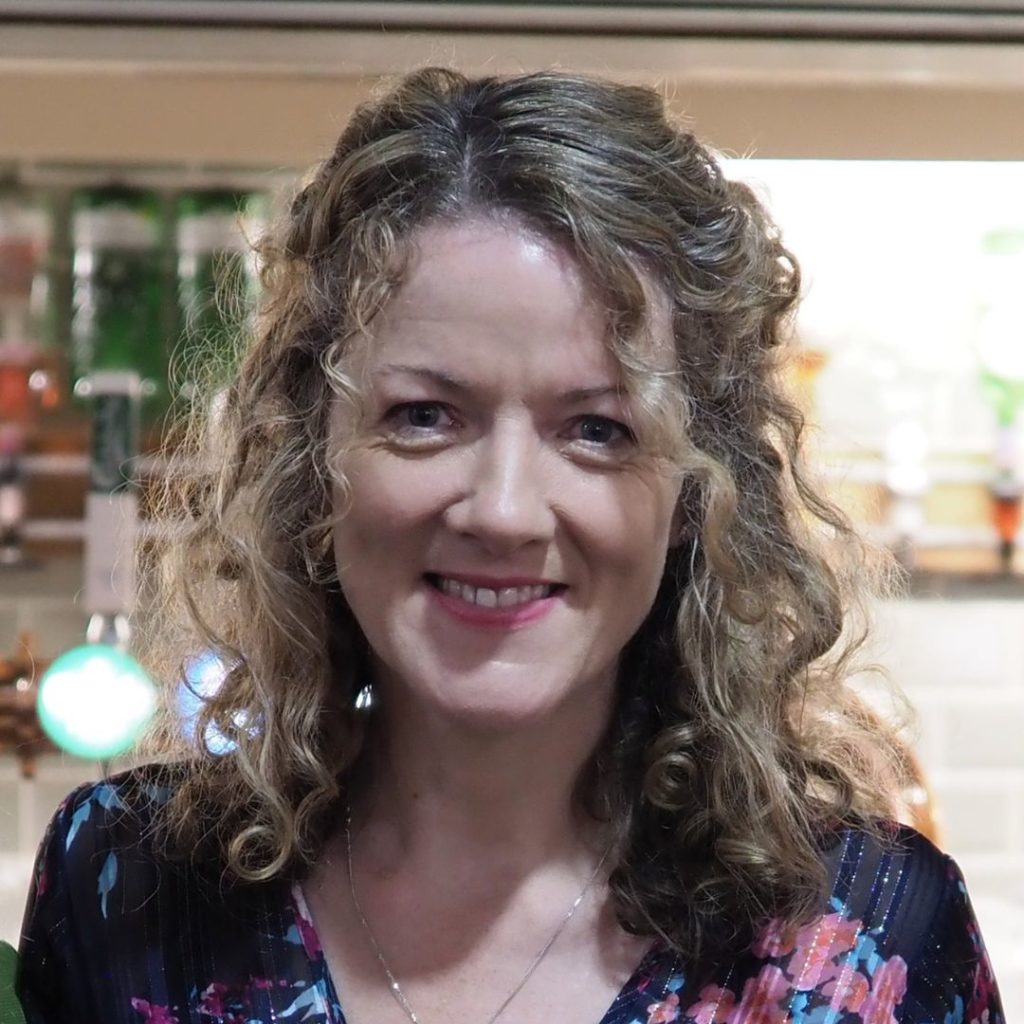 Luton Irish Forum CEO Noelette Hanley
Noelette Hanley
CEO of Luton Irish Forum, which delivers the Luton St Patrick’s Parade and Festival
What does St Patrick’s Day mean to you?
St Patrick’s Day has always been a highlight for me, personally and professionally.
I first attended as a child in Ennis, Co. Clare, and later took part in the Ennis and Shannon parades as a member of the Ennis Brass Band.
It almost always rained, but it was a cherished family tradition - and the one day we were allowed to break our Lenten fast.
I joined Luton Irish Forum as Manager in 2006, at a time when a talented and ambitious group of volunteers were leading the parade, supported by Mick Maguire, who established our welfare service, and Nicola McLaughlin, who now leads that service and remains part of the team today.
St Patrick’s quickly became our organisational priority each March.
In my first year, I organised a pageant called The Life of St Patrick, working with the UK Carnival Arts Centre and St Margaret of Scotland Primary School.
Sixty children made snake headpieces and tabards, and community members Cormac and Lucy Kellett created stunning stained‑glass‑style canvases depicting scenes from St Patrick’s life.
On parade day, the children travelled from school to join the celebrations.
I was delighted to learn that Angel, now our Youth Programme Coordinator, was one of those children.
Christine Boyd, the school head at the time - who now runs the Luton Irish Forum Emerald Pipe Band - made us feel completely at home.
Thanks to the late Denis Mulligan, we travelled to Manor Road by coach.
I also remember the late Martin O’Hehir suggesting we invite The Fureys and being amazed that Luton Irish Forum could deliver an event that attracted thousands.
Over time, I’ve taken on a much more active role, overseeing planning, programming, creative development, and administration. It’s very hands‑on, involving around 50 groups and acts every year.
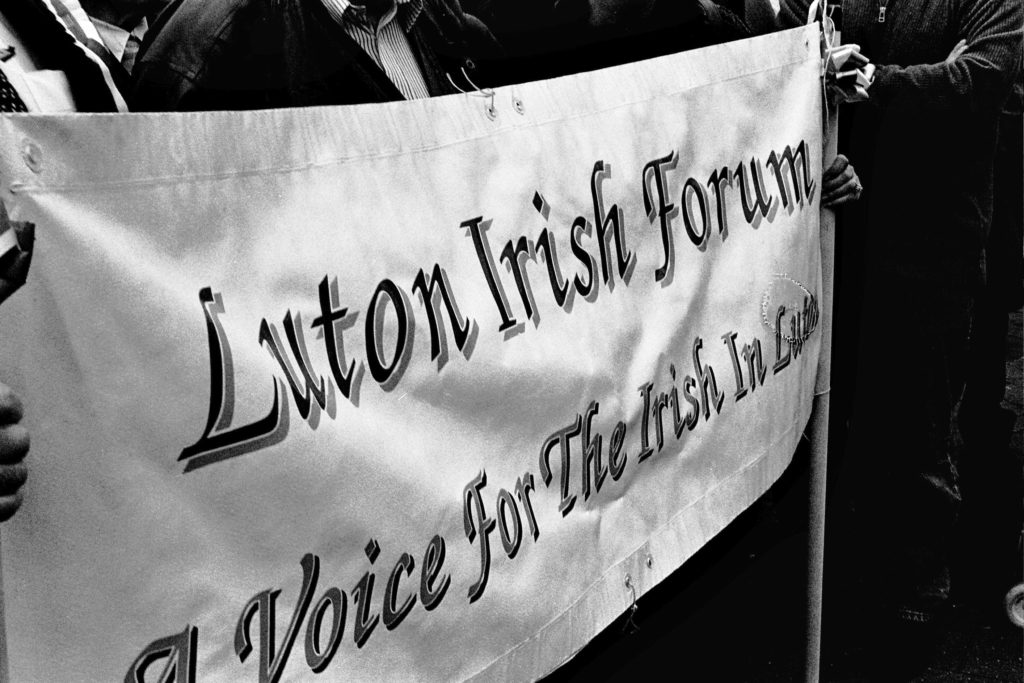 (Pic: C D Mahony Photography)
How long have you been involved with the parades in Britain?
Before joining Luton Irish Forum, I helped organise a float for the first Mayor of London’s St Patrick’s Parade in 2002 and went on to attend the parade annually.
My first Luton parade was in 2007, and I’ve been involved every year since.
It’s the highlight of my year.
My husband and children have come every year too - sometimes as part of the pageant, sometimes carrying the Co. Clare flag.
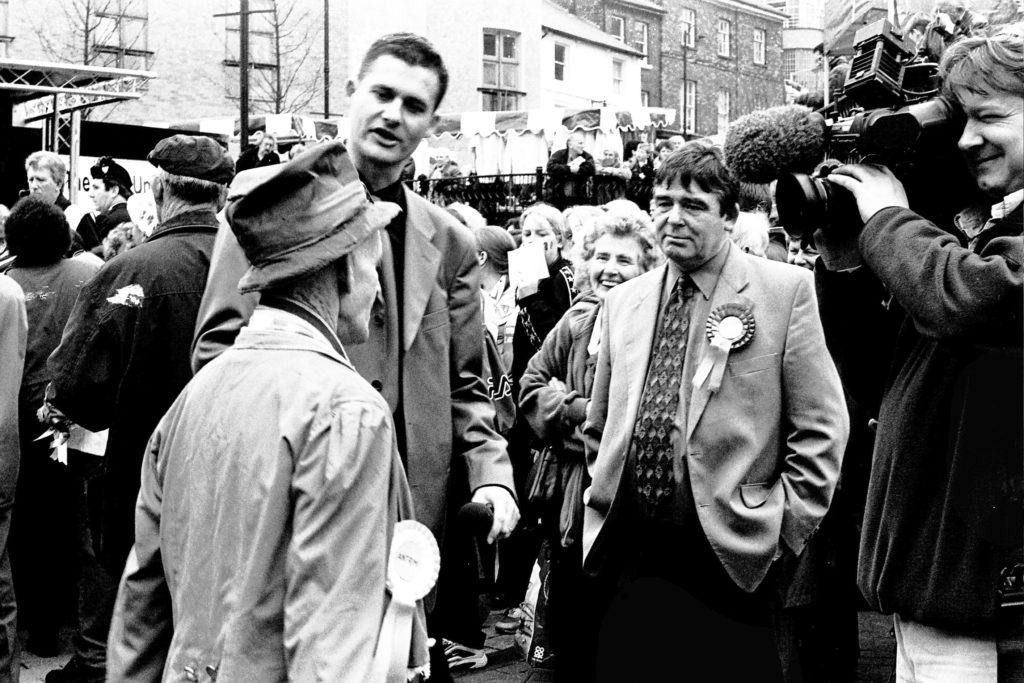 (Pic: C D Mahony Photography)
Why is it important for your organisation to support the Luton parade?
The parade is one of the biggest opportunities for Irish people to celebrate their heritage, feel proud, and reconnect with others - often people they may not have seen since the previous year.
It’s also a way to showcase Irish culture to the wider community and strengthen bonds across Luton.
How many members of your organisation are involved?
Our staff team of 13 all play an active role in delivering the festival.
Many contribute personal time, and some planning must take place during the working day.
Nuala, our Office Manager, serves as Festival Chair, and every other member of staff leads on essential areas including volunteer coordination, communications, logistics, and market trader engagement.
Alongside staff, around 100 volunteers from the Irish and wider communities join in. They consistently tell us how much they value the festival’s inclusivity and the strong sense of belonging it creates.
Is there a financial cost to you?
We are supported by the Emigrant Support Programme of the Irish Government, Luton Rising, Luton BID, and many local Irish and other businesses.
Their contributions help cover essential festival costs such as staging, sound, security, and entertainment.
Staff also volunteer significant additional time as their way of giving back, and without that goodwill the festival simply wouldn’t be possible.
We are fortunate that performers charge modest fees to keep the event viable. I
n return, it provides a fantastic platform - last year our social media reached one million views, and thousands attended in person.
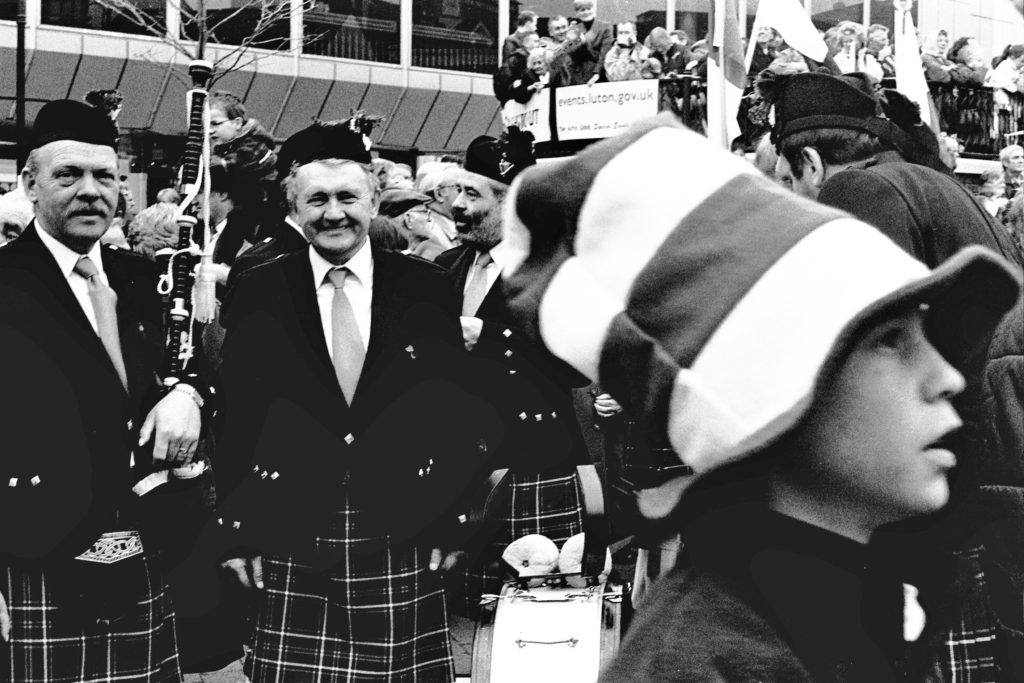 Revellers enjoying the Luton St Patrick's Parade (Pic: C D Mahony Photography)
What are the main challenges in planning the event?
Time is the biggest challenge. Outside our day jobs, we’re coordinating acts, speaking to traders, and planning security because we’re passionate and determined to keep the tradition alive.
Weather can be a challenge too. In 2018, we had to cancel the parade and move the outdoor stage into the Hat Factory, which ultimately inspired our an after-party event that still continues.
The most difficult moment was cancelling the festival two days before the event when Covid-19 struck.
The following year, we adapted: delivering bacon and cabbage meals to members, hosting an online quiz, and lighting up our building in green to show that the spirit of St Patrick’s Day lived on.
That experience inspired us to create an archive, which led to Paint the Town Green, our documentary produced by William Walsh, capturing memories and the festival’s legacy.
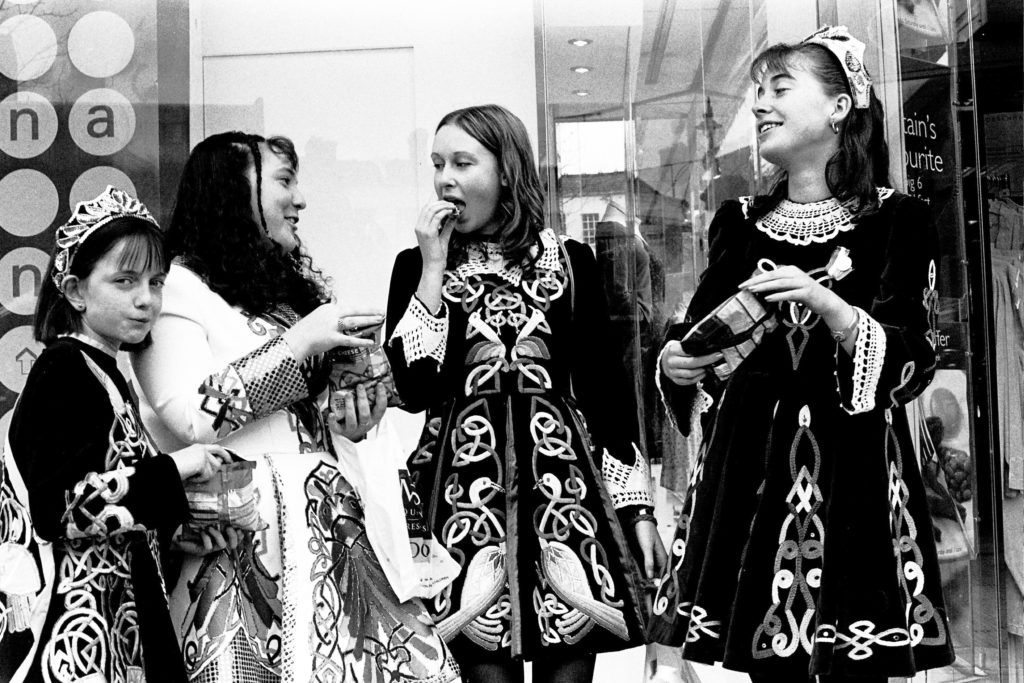 Dancers at the Luton St Patrick's Parade (Pic: C D Mahony Photography)
What’s the best thing about being involved?
It’s the music, the dancing, and the joy of seeing people come together. The moment the parade reaches the Town Hall is always a goosebump moment.
Even better is the sense of community - you can’t walk from A to B without stopping for a chat with someone you know.
What does the event mean to your local community?
We wouldn’t miss it. It’s central to our identity and to the cultural life of the Irish community in Luton.
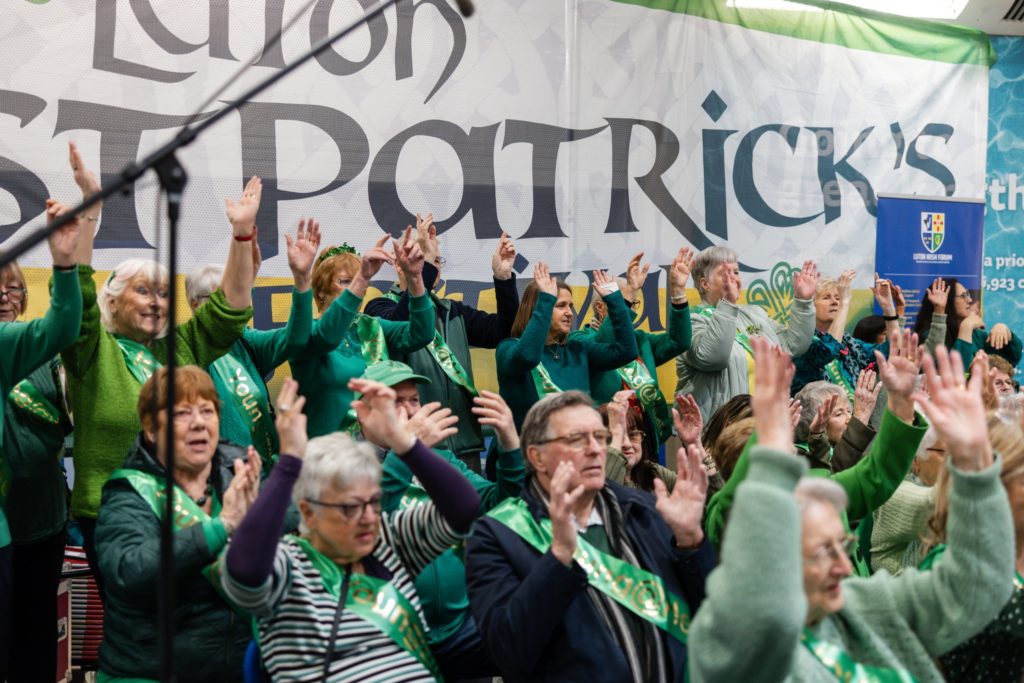 Young at Heart Dementia Choir perform at the Luton St Patrick's Parade (Pic: LIF)
Is it important for the Irish community to continue to have access to St Patrick’s parades across the country?
Absolutely. The reasons to continue far outweigh any concerns.
While isolated incidents can occur, they are not the norm.
St Patrick’s Day is a moment of shared pride - whether you’ve lived in Ireland all your life or have spent decades abroad.
It boosts wellbeing and creates memories that last, including memories of people no longer with us.
My hope is that these parades continue long into the future, not just as annual events, but as living traditions that connect generations, celebrate our heritage, and remind us of the strength of the Irish community in Britain.
These celebrations are more than a day out; they are moments that root people, lift spirits, and keep our culture alive for the next generation.
What’s the best thing about being Irish in Britain on St Patrick’s Day?
Pride - pure and simple.
LEEDS
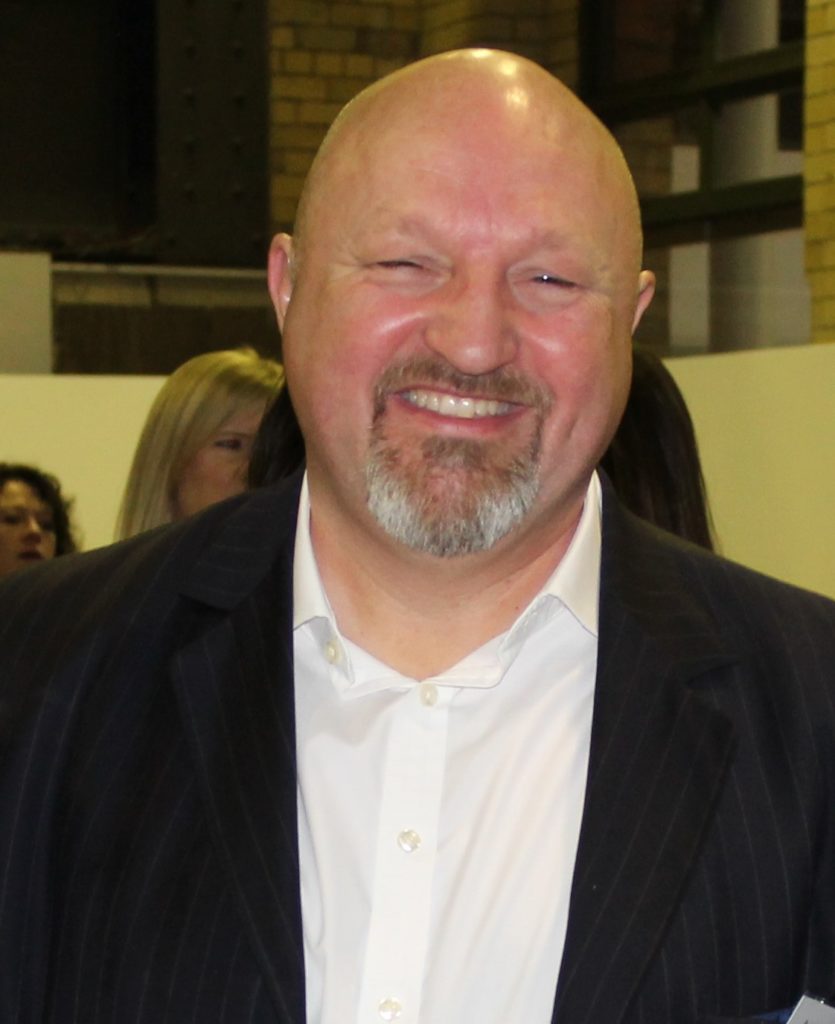 Leeds Irish Health and Homes CEO Ant Hanlon
Ant Hanlon
CEO at Leeds Irish Health and Homes, which is been involved in the Leeds St Patrick’s Day Parade since it was established more than 25 years ago
Which St Patrick’s parades are you involved in?
At Leeds Irish Health and Homes (LIHH), we take part in the Leeds St Patrick’s Day parade every year.
We always enter a float and have won the coveted ‘Best Float’ trophy on a couple of occasions - in fact, we’re currently reigning champions - our Spring Equinox-inspired design was declared the winner in 2025.
In the run-up to the celebrations, community members make banners and decorations to fit with our chosen theme, and lots turn up on the day to see their work proudly displayed. It’s a real team effort.
How long have you been involved?
LIHH was founded 30 years ago and in 2025, Leeds celebrated its 25th St Patrick’s Day Parade. We’ve been involved in celebrations from the very beginning.
Why is it important for LIHH to take part in the parade?
The Irish turn the city green on St Patrick’s Day, with over 5,000 people filling Millennium Square and many more lining the streets to watch the parade.
It’s a proud showcase of Irish culture and a celebration of Irish contribution to our city, but it’s also a day where everyone is welcome.
It’s a fantastic opportunity to connect with community organisations across the city - Leeds CCE (who are great supporters of our work), Irish dance schools, Leeds Irish Centre, local musicians, schools and more. But more seriously, it’s also a stark reminder of how far we’ve come in 25 years - from prejudicial attitudes and lingering discrimination to celebrating our heritage on a city-wide scale.
How many members of your organisation are involved?
Staff, trustees, volunteers and community members all play their part in the preparations and festivities, from sourcing craft materials to helping transport equipment and decorate the lorry.
Not everyone has their face painted and gets up on the float in fancy dress, but plenty do.
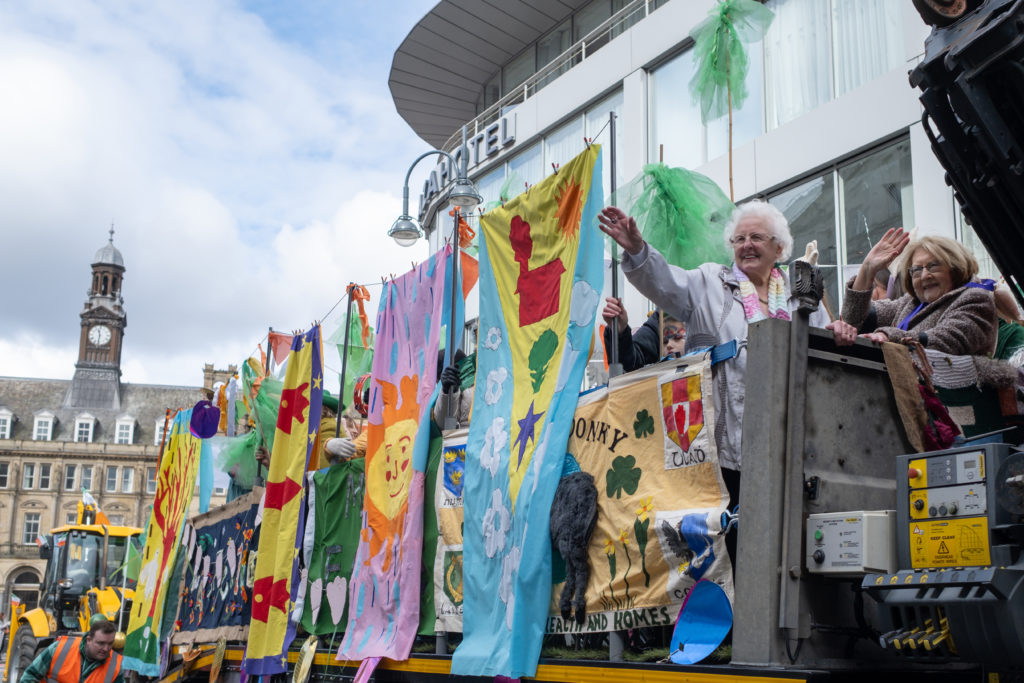 The St Patrick's parade weaves through the city of Leeds (Pic: LIHH)
Is there a financial cost to you?
We would generally commit around £1k towards materials, refreshments for participants, and costs like that each year.
We also have a member of staff who volunteers their time to work on this, which would otherwise cost us an additional £2k each year.
We’re fortunate in that our art group is also supported by Live Well Leeds, and we’ve had donations of craft materials in the past from different organisations and individuals. Most years, we pay for a facepainter who comes to meet us in a pub beforehand to do everyone’s faces - grown-ups as well as children.
What are the main challenges in taking part?
Many of our clients are older and have mobility issues, and Millennium Square involves a lot of walking around a crowded area.
However, many members still brave the float - we provide support getting on and off and seating if required - and the parade puts on buses for older-end community members who want to take part but would struggle to stand or walk for long periods.
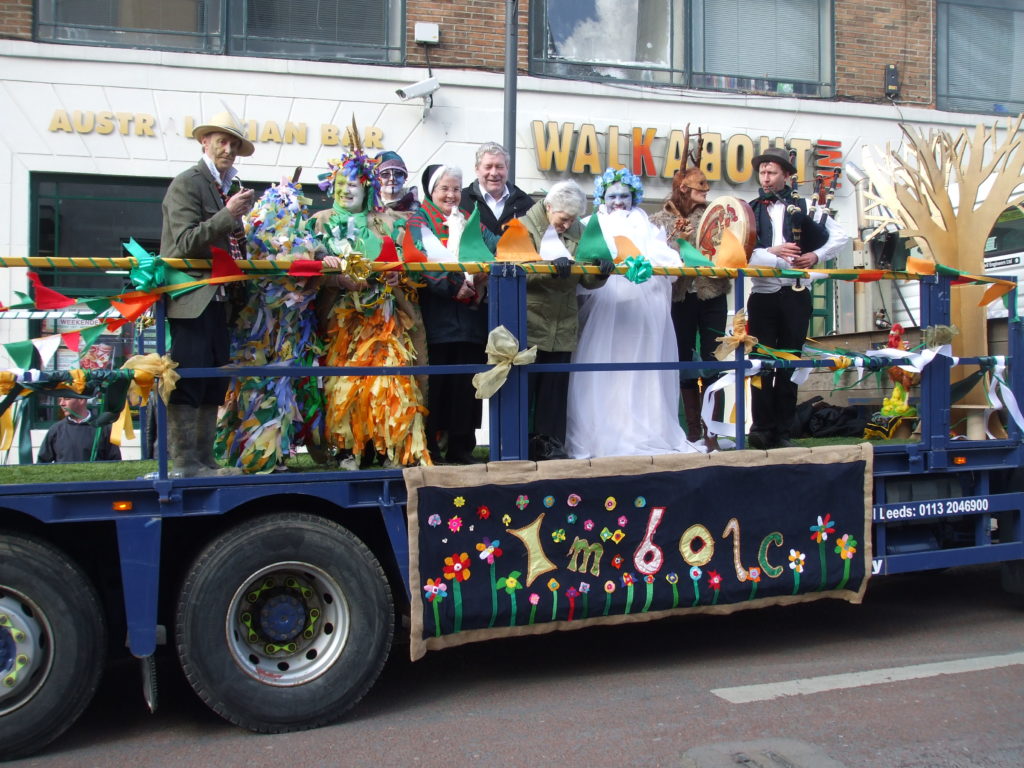 The LIHH float project takes to the streets (Pic: LIHH)
What is the best thing about the parade?
Personally, I find the foot parade of community members carrying banners and flags so moving.
It’s great to see people lining the roads to wave and cheer the parade on, whether they have Irish heritage, mixed heritage or no connection to Ireland at all. The atmosphere is electric.
What does the event mean to your local Irish community?
It’s very important. Even those who aren’t able to come along love looking at the photos afterwards.
We also host a community party at Leeds Irish Centre and the two celebrations usually take place in the same week.
This is another great opportunity for everyone to come together and celebrate their heritage and culture.
Is it important for the Irish community to continue to have access to these parades in the years to come?
Absolutely. Despite the overwhelmingly positive response to the St Patrick’s Day parade, we still see comments on social media each year along the lines of ‘What about British celebrations/a St George’s Day parade?’ when the photos are posted.
The fact is, organising a parade is a huge task, carried out by a very dedicated committee, who apply to the Council every year and take care of the many, many behind-the-scenes tasks - organising parking, permits, road closures, staging etc.
We’re hugely grateful to the committee and don’t take any of it for granted.
The journey to celebrating our Irish heritage and culture in Britain hasn’t always been an easy one - long may it continue.
What’s the best thing about being Irish in Britain on St Patrick’s Day?
The sense that, whatever our backgrounds and experiences, we can come together as one and celebrate something we all share.
LONDON
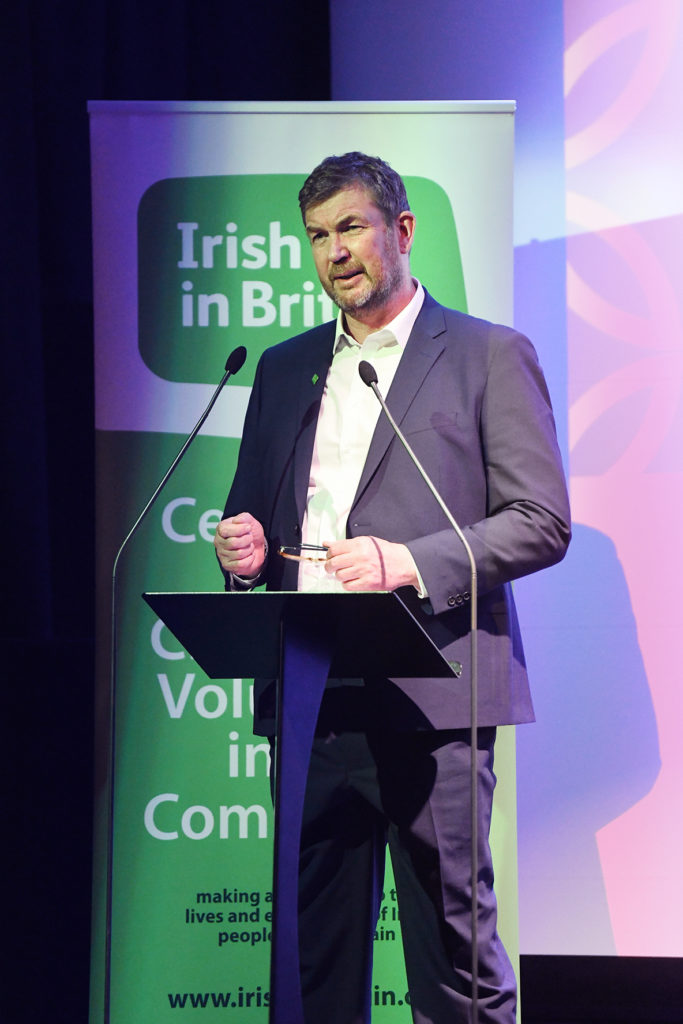 Irish in Britain CEO Brian Dalton (Pic: Malcolm McNally Photography)
Brian Dalton
CEO of Irish in Britain, a national membership organisation for the Irish community in Britain
Which St Patrick’s parades are you involved in?
The Mayor of London’s St Patrick’s Day Parade and Festival.
I am part of the Community Advisory Group, which is a diverse group of organisations and individuals that work with City Hall to support a diverse and inclusive festival.
How many years have you been involved?
I’ve been involved in the London festival for eight years, but Irish in Britain, and before that the Federation of Irish Societies, and our members have been central to St Patrick’s celebrations over many decades.
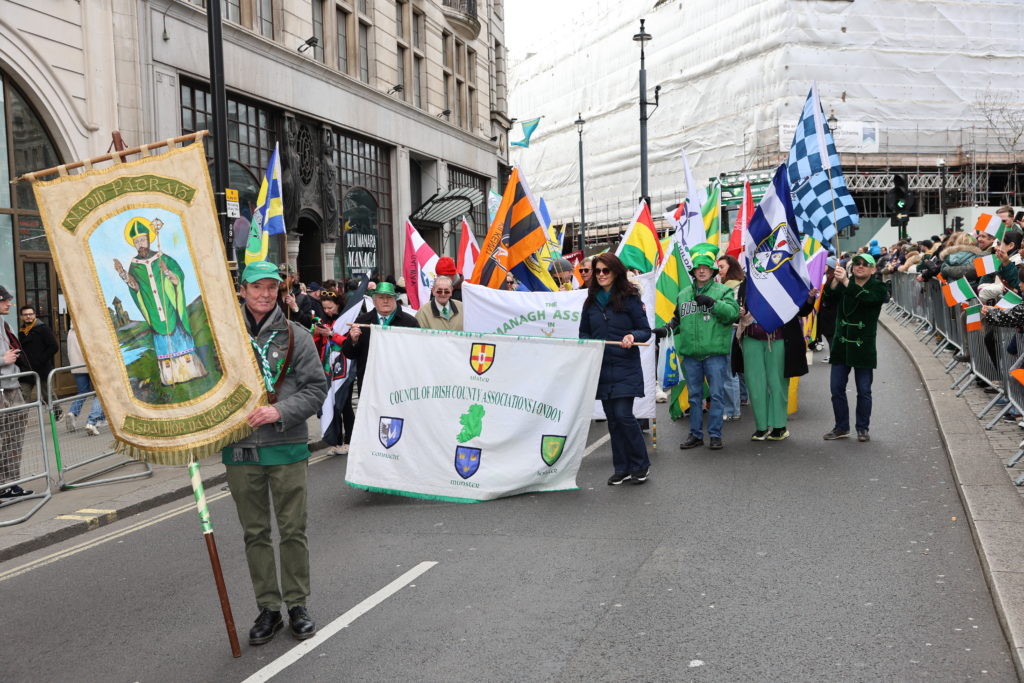 The St Patrick's Parade in London
Why is it important for your organisation to support these events?
As the national membership body for Irish organisations across Britain, it’s a great opportunity to talk to people, showcase the work of our members, to be part of celebrations of our Irish identity in all its forms.
How many members of your organisation are involved?
Staff, trustees and volunteers take part on the day, we have a stand in Trafalgar Square for the festival.
We promote our work in the Irish community, and often do health awareness campaigns, for example offering free blood pressure checks, because of the evidence of heart health issues in the Irish community.
Is there a financial cost to you?
We pay to have our stall in the square; we cover it out of general expenditure.
What are the main challenges of taking part?
It is a very busy time for Irish in Britain, our members and all those working within our sector: logistics, planning (and good weather!) all impact this time of year.
What is the best thing about being involved?
The best part is meeting so many people from across different generations in the Irish community in London.
It is also great to see so many Londoners, from all communities, joining the celebrations.
What does the event mean to your local Irish community?
The Parade and Festival is very important to the London Irish community, it brings together community groups, cultural organisations as well as businesses.
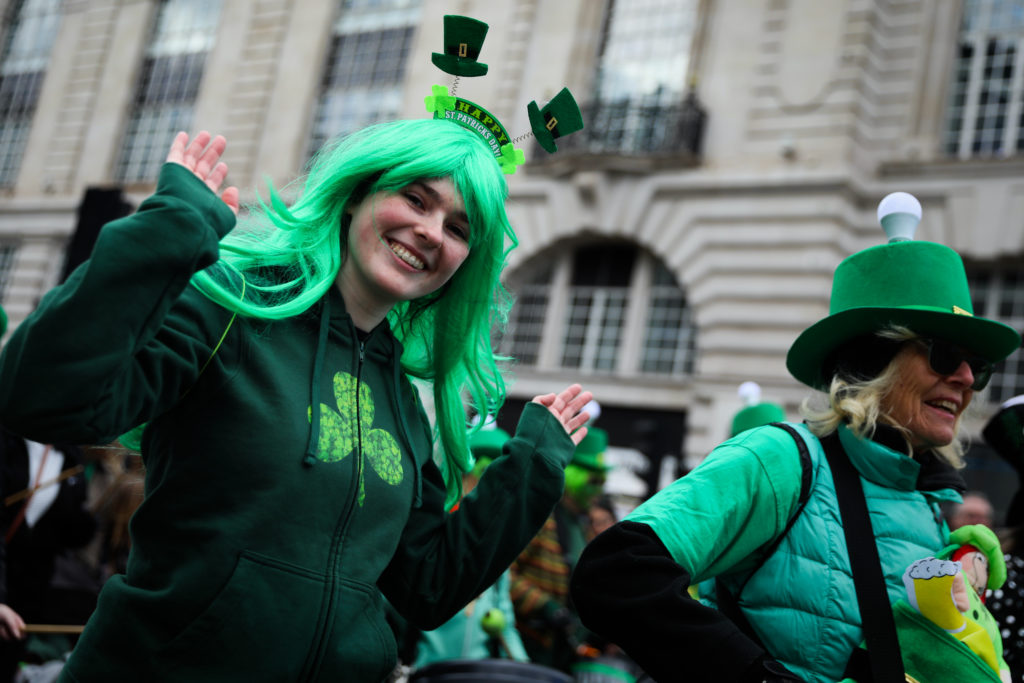 Thousands attend the St Patrick's Day parade and festival in London every year
Is it important for the Irish community to continue to have access to St Patrick’s parades across the country in the years to come?
It’s very import for the Irish community to be able to celebrate our culture and identity within local communities in Britain where we have made our home.
We know that funding issues are having an impact on small parades and festivals, and I think it’s important we try and sustain these wherever possible.
It is important that all those who represent the migrant story of modern Britain can celebrate their contributions.
What’s the best thing about being part of the Irish community in Britain on St Patrick’s Day?
There is a lot of joy on the day, the Irish community is very diverse but it’s a day where we can all unite in celebrating what we have in common.
See More: Leeds, London, Luton, Parades, St Patrick's Day
