



LAST month I watched Lisa O’Neill begin a concert, impromptu, unaccompanied and no microphone, by singing a stunning, elemental rendition of The Galway Shawl.
It was utterly electrifying, fully channelling the spirit of Margaret Barry, and exemplified the ability that O’Neill has to entrance anyone listening to her sing. Neither album length, nor short enough for an E.P., O’Neill’s latest release has six songs, and it epitomises her considerable talent for song writing, interpreting the songs of others, and making vital, compelling music.
Gently, flowing accordion and guitar introduce the self-composed title track, a rumination on the role of the ‘greed-motivated’ rich and powerful in bringing about environmental disasters with complete disregard for the impact on everyone else. “Some terrors are born out of leaders, With their eye on a different prize”, O’Neill sings, the sweet, waltz-like melody belying the horrors being sung about. The fury rises in the second part of the song, the instrumentation becoming more storm like, with little room for optimism amidst the devastation – “Don't you hear the kids as you blindly bulldoze on? Beautiful children, starved to the bone”.
Mother Jones, another of O’Neill’s own songs, is a rich biographical telling of the life of Mary Harris who was born in Cork, emigrated to the United States to escape the famine, becoming a legendary union organiser and activist. Mother Jones, as she became known, is in O’Neill’s words, “a powerful reminder of the importance of activism and standing up to injustice.” A firmly strummed guitar strikes an appropriately defiant tone, as the song encapsulates the inspiring story, including the superb quote "Pray for the dead, And fight like hell for the living, And, whatever the fight, Don't be ladylike, Fight like hell for the living".
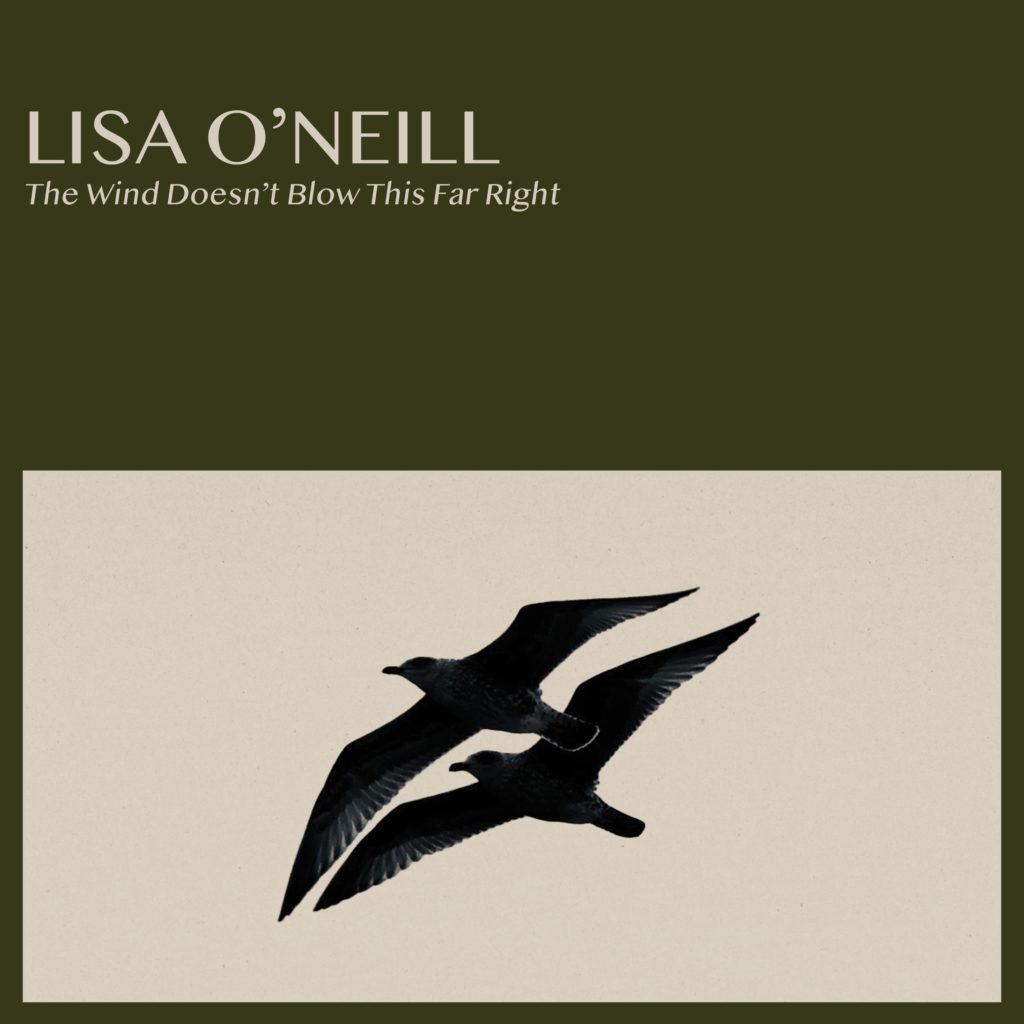 Lisa O'Neill's latest album
“It was beyond my wildest dreams”, O’Neill, recalls, to be asked to record Bob Dylan’s All the Tired Horses for the closing scene of the final episode of Peaky Blinders. The opening track on Dylan’s much dismissed Self-Portrait album, sung by three female singers, not by Dylan, it is barely a song, with just two repeated lines - O’Neill describes it as a ‘mantra’. “We recorded this version” O’Neill describes, “in an old horse stables in Cabinteely, South Dublin over the space of two days. We recorded by constant candlelight as a dear friend was dying at the time.” The vocal is initially tentative, becoming more insistent against the edgy instrumentation, building to a brief noisy climax before the mantra sees the ethereal track out.
Homeless in the Thousands is a deeply empathetic call to see homeless people as human beings. In describing the song O’Neill contrasts the aspirations contained in the Proclamation of the Irish Republic read by Padraig Pearse outside the GPO on Dublin’s O’Connell Street in 1916 with the soup kitchens for homeless people operating on the same spot. “The problem will not go away by unseeing”, O’Neill says. A very beautiful version of Christina Rossetti’s The Bleak Midwinter and a tender reading of the James Stevens poem Autumn 1915 add to a small but ideally rounded view of the many facets that make Lisa O’Neill’s craft so absorbing.
Available from: www.lisa-oneill.bandcamp.com/album/the-wind-doesnt-blow-this-far-right
See More: Lisa O'Neill
