





WHEN Father Jim Crowe returned to his native County Clare after more than 50 years serving in Brazil, few people knew they were welcoming home a man whose work had changed thousands of lives.
He quietly retired back to Clonlara around two years before he passed in 2023.
It was only after his funeral that neighbours found out about the extraordinary legacy he had left behind.
Among those determined to ensure his story is remembered is Rose Costello of the Clonlara Community and History Heritage Group.
"We weren't really aware of the extent of his work," she said.
The heritage group was established to preserve local stories before they disappear.
It was at Fr Crowe's funeral that his influence became clear.
"Two people travelled from Brazil and just barely got there in time," she said.
"They brought gifts representing his life there, along with condolences from President Lula da Silva, the minister of finance and the people of São Paulo. I just couldn't believe it."
Brazilian President Luiz Inácio Lula da Silva later paid tribute on social media, describing Fr Crowe as a priest who had "done so much for Jardim Ângela, leading the community in defence of peace and life".
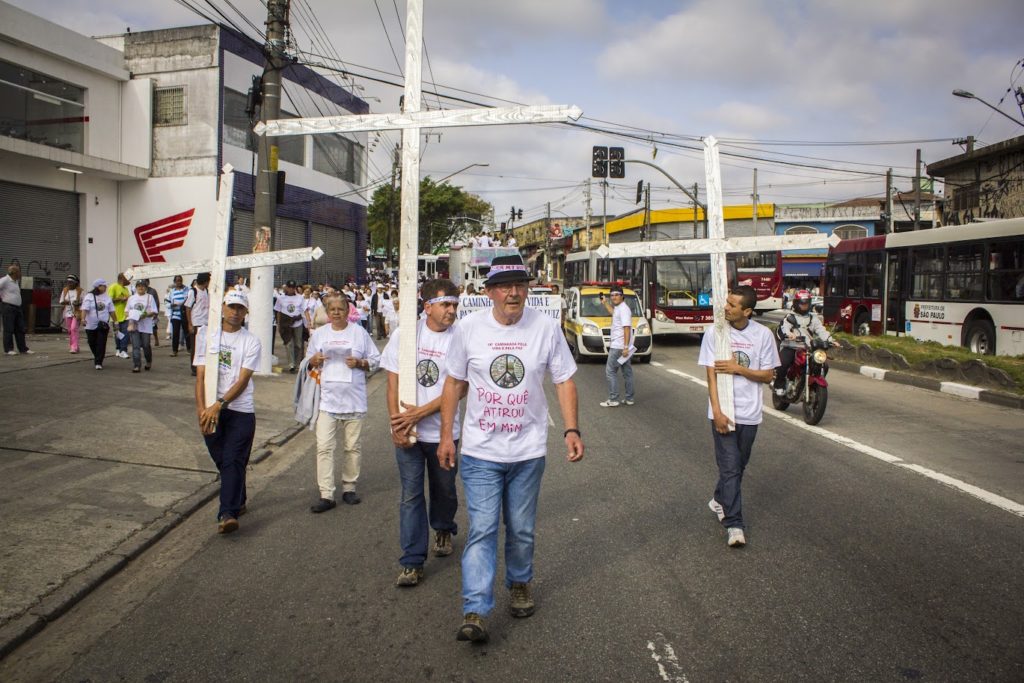 Fr Crowe on his 10th Walk for Peace and Life march (Photo by Diego Ramalho)
Born in Co. Clare, Fr Crowe spent 52 years ministering in Brazil, where his work went far beyond the church.
His first parish was Embu das Artes, where he served for 17 years.
"There was terrible poverty there," Ms Costello said.
"The police were very destructive and very corrupt. Religious figures were targeted in the same way as trade unionists, and minors from the age of eight to 18 were imprisoned and tortured."
Convinced that the community itself had to be revived, Fr Crowe established social programmes, supported trade unions and built churches that doubled as day care centres and meeting halls.
"They became places where people gathered instead of the bars in the favelas," Ms Costello said. "The people really appreciated them."
He was very outspoken in his defence of the local people.
In 1981, the mayor attempted to expel him under Brazil's "foreigners' law", but widespread outrage from the locals and fellow priests quickly put an end to it.
Around the same time, one of Fr Crowe's trade unionist friends was assassinated.
"Really, Father Jim's life was in danger doing all this work," Ms Costello said.
It was during this time that he met Luiz Inácio Lula da Silva, then an emerging trade union leader.
"Father Jim was always a friend and supporter of his because he campaigned for social justice and democracy," Ms Costello said.
After 17 years, Fr Crowe moved to Jardim Ângela in São Paulo, where he would spend the rest of his time in Brazil.
In 1996 the area was described by the United Nations as the most dangerous urban area in the world, with homicide rates higher than those in Cali, Colombia, during the height of the drug wars.
"He had so many funerals every week that he found it difficult consoling all the families," Ms Costello said.
Rather than accepting the violence, Fr Crowe challenged it head on.
He publicly denounced human rights abuses and set up the Defence of Life Forum and launched the annual Walk for Life and Peace.
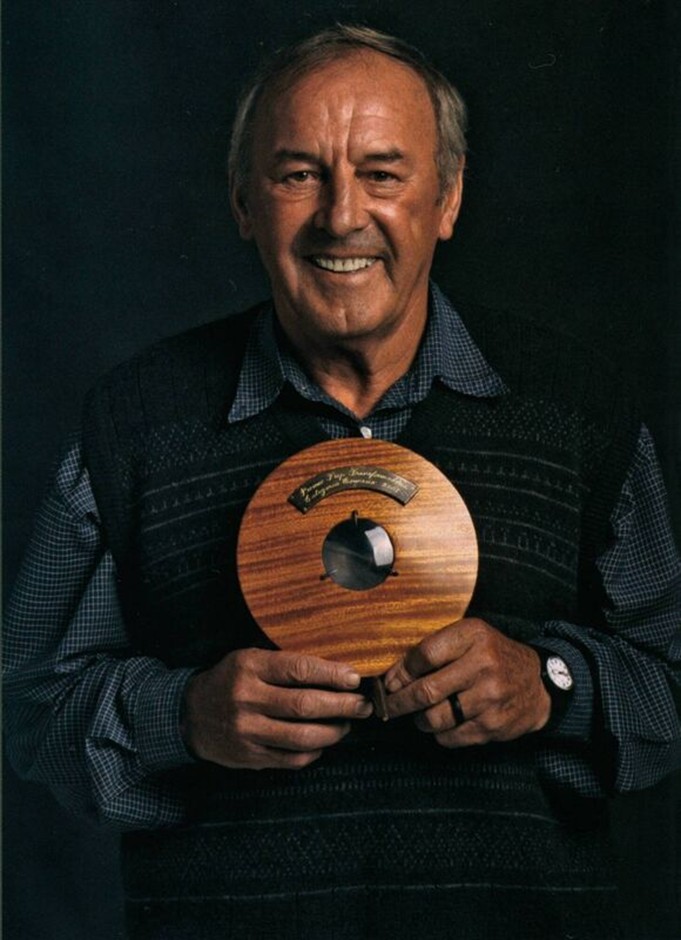 Fr Crowe with the Trip Transformadores Award in 2007 (Photo by Fernando Cavalcanti)
"The first year, through word of mouth, he got about 10,000 people out on the streets," Ms Costello said.
Every All Souls' Day, thousands walked together to the cemetery where the victims of violence were buried.
"He called them martyrs because he believed they had been unjustly shot by the police."
Ms Costello said the area's homicide rate fell dramatically, from around 120 deaths per 100,000 people to 25 per 100,000.
During Brazil's 2005 referendum on gun sales, Jardim Ângela became one of the few areas to vote in favour of banning guns.
"That was a huge achievement because it was one of the most dangerous places when he arrived," she said.
When Fr Crowe returned to Clare in retirement, he spoke little about what he had accomplished.
It was only after his death that those around him began to understand why he was so revered in Brazil.
"They loved him," Ms Costello said. "He had such a huge impact on people's lives."
For Ms Costello, preserving stories like Fr Crowe's is exactly why the heritage group was formed.
If you wish to find out more you can find them: here
Everything from irishpost.com and the print edition is available on the Irish Post App — plus more! Download it for Android or Apple IOS devices today
See More: Brazil, Co Clare, Father Jim Crowe, Rose Costello, Sao Paulo
