




THERE is an awkward moment near the beginning of John V M Rubin’s Ireland Made Them which will raise a knowing smile among Irish readers.
Newly settled in Kenmare in the 1970s, the English author was asked by locals for his views on the Civil War. He began talking about the conflict between Charles I and Parliament. His audience had something rather closer to home in mind.
It was an interesting introduction to the gaps in his education — to any one who chooses to make Ireland their home, but who isn’t Irish. Growing up in England, Rubin recalls, he had learnt virtually nothing about Irish history. Moving across the Irish Sea began a process of discovery which eventually produced this collection of 41 short biographies.
Its subtitle, The Heroes & Heroines, The Rascals & Rogues, promises plenty of variety. Rubin delivers an assembly of adventurers, scientists, reformers, performers and opportunists whose careers carried Irish influence into some unexpected corners of the world.
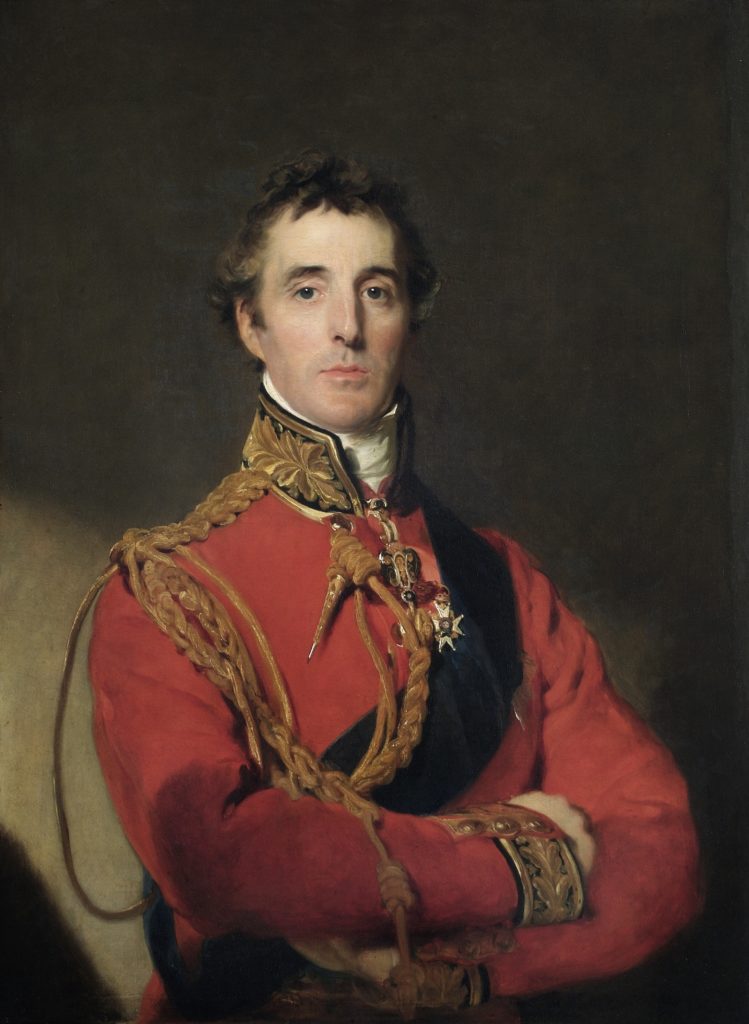 "Arthur Wellesley, 1st Duke of Wellington" c.1815 by Sir Thomas LAWRENCE (1769-1830). WM 1567-1948
There are familiar faces: Ernest Shackleton, Bram Stoker, Constance Markievicz and the Duke of Wellington. Alongside them stand people whose achievements have survived more successfully than their names.
For readers in Britain, that imbalance is part of the book’s appeal. Irish people have contributed so extensively to British public life that their origins can become a footnote, remembered only when somebody thinks to look.
Rubin wants us to look.
His selection is deliberately broad. The inclusion of both Wellington and Markievicz immediately complicates any comfortable notion that Irish history belongs to one political tradition. These lives emerge from different classes, religions and loyalties. Wellington? Some Irish people can be heard saying “Ach, he’s not really Irish.” But he was born in Dublin, brought up partly in Co. Meath, and had an Irish accent until his teens — possibly longer.
But leaving Ireland does not mean the same thing in every chapter of John Rubin’s book. For some, departure offered escape from poverty or restricted opportunity. Others travelled with professional advantages, influential connections or the machinery of empire behind them.
One of the most engaging stories concerns Catherine Hayes, the Limerick-born soprano whose career took her from European opera houses to North America, Australia and India.
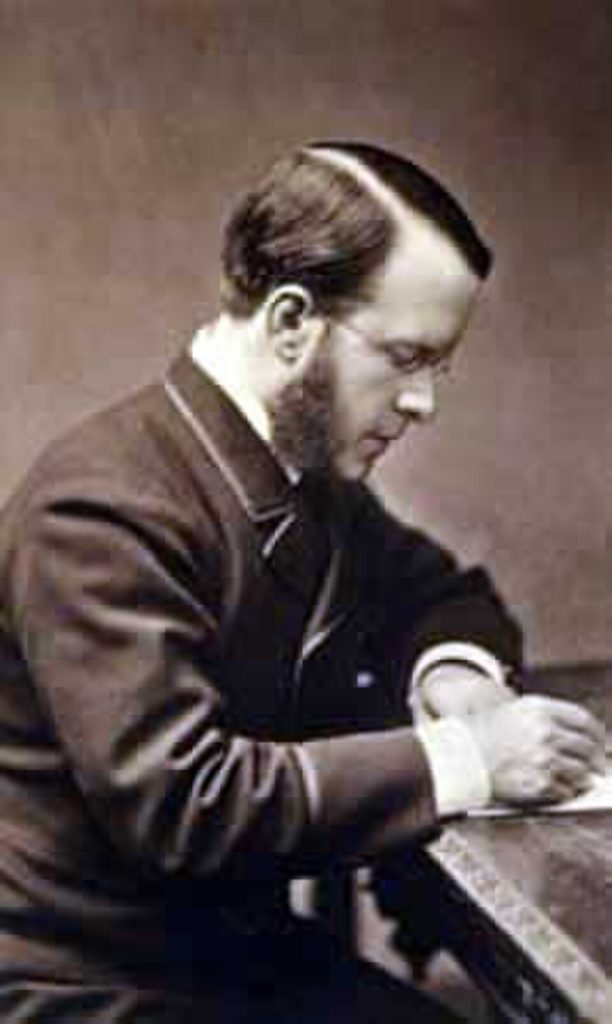 Dr Thomas Barnardo (Picture publlic domain)
Rubin follows her progress from difficult family circumstances through musical training and international success. Particularly striking is the account of her popularity among gold miners, including Irish emigrants, for whom familiar ballads carried an emotional force beyond the concert programme.
Here, the diaspora becomes an audience as well as a population: people hearing something of home in a voice thousands of miles away.
Music supplies another memorable figure in John Field, the Dublin-born pianist and composer associated with the development of the nocturne. His inclusion offers a useful reminder that Ireland’s cultural exports extend well beyond the forms most readily marketed as Irish.
Elsewhere, James Hoban’s journey from Co. Kilkenny to the design of the White House provides a particularly tangible example of an emigrant’s enduring influence.
Yet such careers deserve examination as well as celebration. Hoban was himself an enslaver, and enslaved workers helped construct the presidential residence. That history complicates the familiar immigrant success story and deserves space beside the architectural achievement.
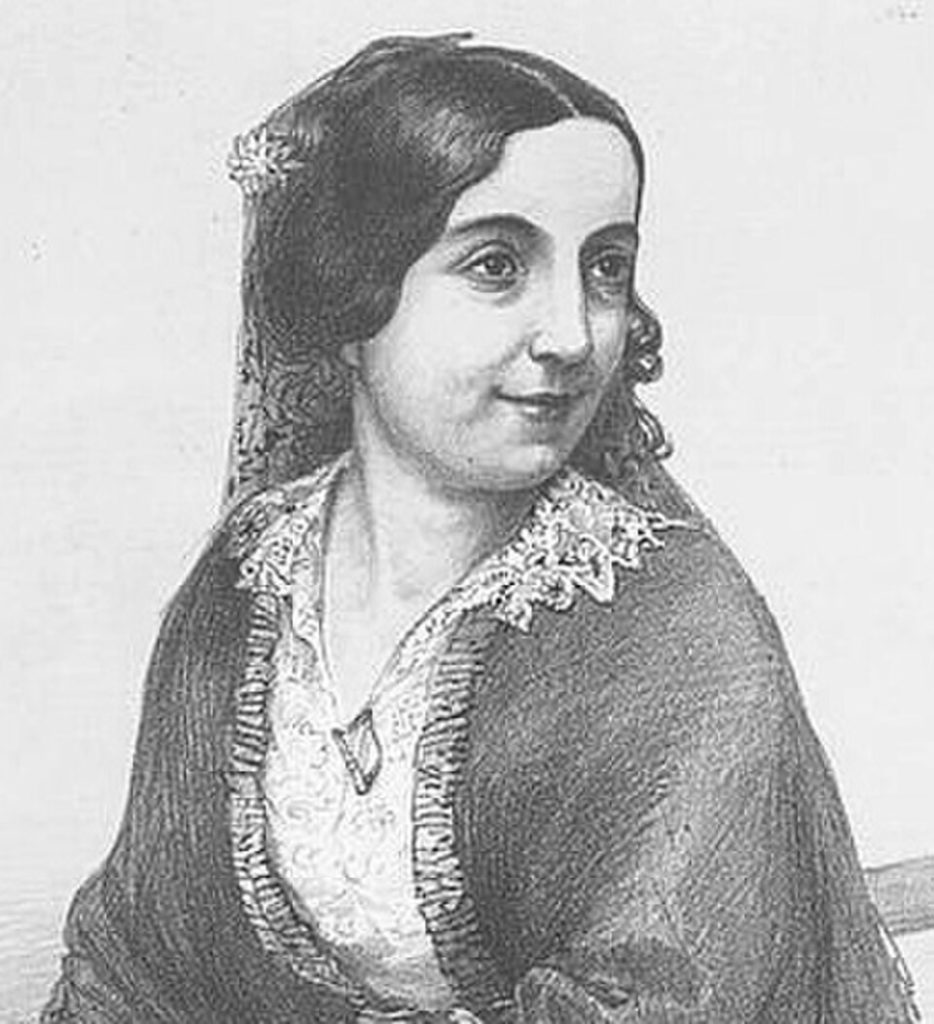 Catherine Hayes, opera singer (Picture public domain)
The book’s political lives offer further contrasts. Seán Lester’s career moves from journalism and Irish nationalism into international diplomacy and confrontation with Nazism. Michael Joseph “Red Mike” Quill takes the reader from Kerry to organised labour in New York.
Placed together, their stories suggest how experience acquired in Ireland could find expression abroad through negotiation, solidarity and resistance.
There is room for less public-spirited enterprise, too. Thomas Blood’s attempt to steal the Crown Jewels supplies the sort of audacious episode that helps explain the subtitle. Rubin evidently enjoys a strong story, particularly when its protagonist refuses to behave respectably.
The short chapters make the collection easy to browse. Readers can follow a familiar name, discover somebody new and pursue the suggested further reading. It is an inviting format for anyone whose interest in history begins with people rather than institutions.
The larger question raised by the title remains intriguing. How much did Ireland make these people, and how much were they shaped by the societies in which they subsequently lived?
A collection of short biographies cannot settle that. It can, however, encourage readers to ask better questions about national identity, achievement and historical memory.
Rubin’s strongest invitation is simply to become curious. Behind a familiar building, a musical form, a labour movement or a name half-remembered from school may lie an Irish life worth discovering.
Ireland Made Them: The Heroes & Heroines, The Rascals & Rogues, by John V M Rubin, is published by Spath Road Press.
See More: Ireland Made Them, John V M Rubin
