





AS RTÉ celebrates 100 years, radio producer Cliodhna Ní Anluain has written about the sounds and stories of Ireland through a century of change.
Ní Anluain, who has worked in radio at RTÉ since 2000, is the author of On Air, a new illustrated history of Irish radio, set to be published on October 30.
The book arrives as Ireland's national broadcaster marks the centenary of 2RN, the station that first went on air in 1926 and evolved into today's RTÉ Radio.
For Ní Anluain, the project has been both a professional and personal one.
"I was always interested in exploring how radio is a part of people's lives and also the story of communication from print into radio into television," she said.
Born in Dublin and raised in Dún Laoghaire, Ní Anluain worked as a museum curator and theatre producer before joining RTÉ, although she spent many years working as part of the diaspora in Spain.
One theme that particularly resonated with Ní Anluain was radio's long-standing relationship with those who emigrated.
"It is very documented that RTÉ wanted to speak to the Irish everywhere; that was the aspiration," she said. "It always carried that idea that it could ambitiously speak to the Irish abroad."
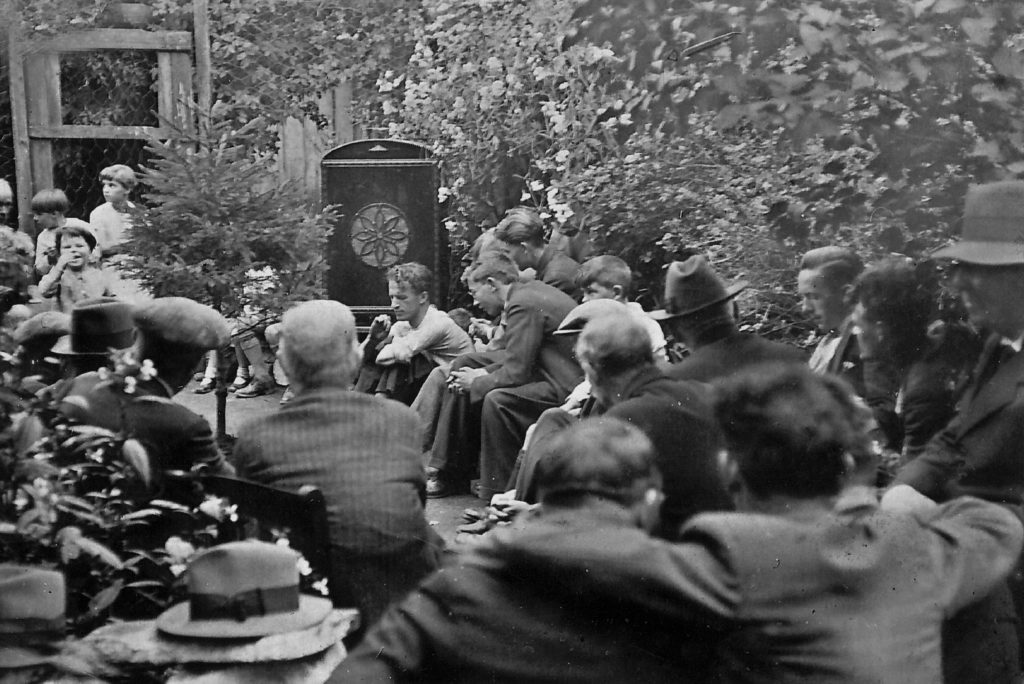 Listening to the 1933 All-Ireland hurling final (1933)
One of her earliest memories is visiting a 50th anniversary exhibition on Irish radio with her father in 1976 at the Bank of Ireland.
"I remember we got the LP of 50 years of Irish radio, and as children we used to play it over and over again," she said.
The new book deals with the history of Irish broadcasting with chapters on a variety of topics from sport to politics, from the arts to religion, and is fully illustrated.
"I didn't want it to be a thick tome; it is very visualised," she said.
Researching the book involved extensive listening to archive recordings and offered insights into how broadcasting evolved alongside Irish society.
"In history nothing is static; everything is moving," she said. "If you listen and look carefully, it reveals so much about the world at that time."
That ambition became increasingly important as Ireland modernised and audiences changed.
With only one radio channel in its early decades, broadcasters struggled to meet every listener's needs.
"RTÉ was self-conscious of that, as well as conscious of that."
The rise of pirate radio stations during the 1970s and 1980s helped transform Irish broadcasting.
Ní Anluain said their popularity showed a demand for younger voices and music that differed from the 'middle of the road' songs that were featured on RTÉ at the time.
"So many of the big names that came so associated with the new station in '79 were from the pirate stations," she said, citing broadcasters such as Dave Fanning, Gerry Ryan and Marty Whelan.
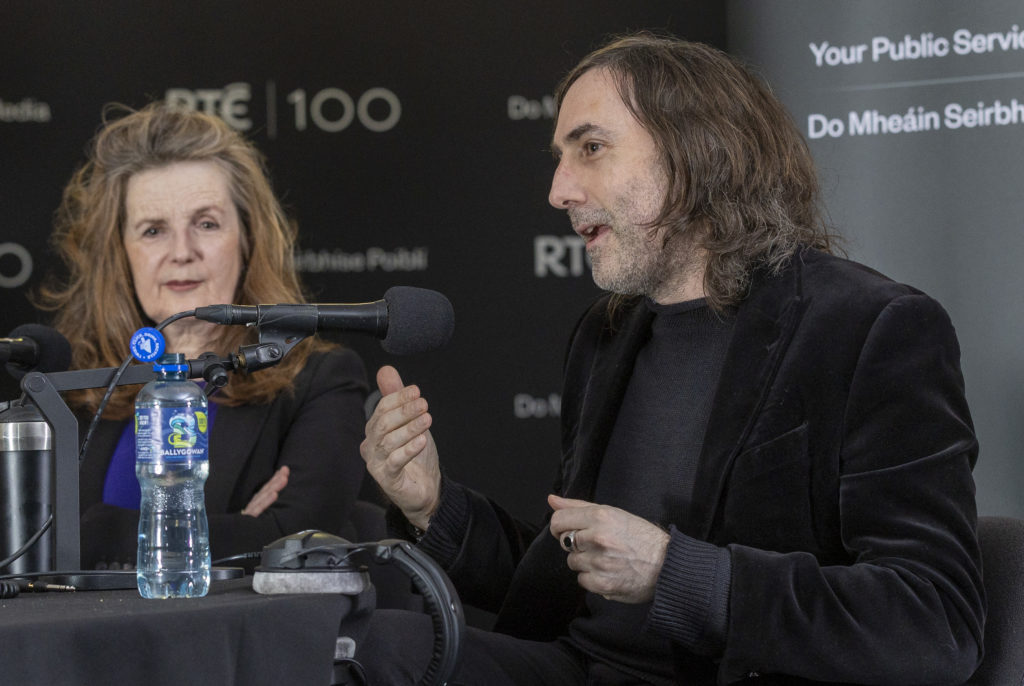 Writers Christine Dwyer Hickey and Rick O'Shea, during the broadcast by RTÉ Radio from the GPO. Photo: Peter Houlihan/Coalesce
This year has also given Ní Anluain one of the proudest moments of her own career.
In January she oversaw a day-long live broadcast from Dublin's General Post Office, the historic building from which Irish radio was transmitted for much of its first few decades.
The broadcast brought together Radio 1, Raidió na Gaeltachta, 2FM and Lyric FM in a celebration of the radios' first century.
"There was a real sense of being part of contributing to the ongoing story of RTÉ radio broadcasting in its centenary year," she said.
Among her other career highlights are producing landmark interviews with figures like Edna O'Brien and Tim Robinson.
Part of dealing with broadcasting is also dealing with tragedy: even after all this time, she has never forgotten the afternoon she was in the studio when reports began to reach newsrooms across the world that a second plane had struck the World Trade Center.
“The presenter at the time was also the current affairs presenter and was very professional; we couldn’t have been in better hands.”
After more than 26 years as a producer, she says some of her greatest satisfaction comes from helping stories find a wider audience.
"Knowing that something connects with people is actually very gratifying," she said.
As Irish radio enters its second century, she hopes On Air will serve as a reminder of the enduring power of voices carried across the airwaves.
"Hopefully in 50 years we will have put something down that is remembered," Ní Anluain said.
Everything from irishpost.com and the print edition is available on the Irish Post App — plus more! Download it for Android or Apple IOS devices today
